
When it comes to saving a natural tooth that is infected or severely damaged, a root canal is one of the most effective treatments available today. In New York City, many patients worry about discomfort, but modern root canal therapy is safe, gentle, and designed to relieve pain rather than cause it.
At Diamond District Dental, we want you to recognize the warning signs early, so you can get treated before the problem worsens. In this guide, we’ll explain the top symptoms that suggest you may need a root canal, how the procedure works, and what to expect afterward.
3 Signs You Might Need a Root Canal
Sign 1: Persistent Tooth Sensitivity
If your tooth remains sensitive to hot or cold even after you finish eating or drinking, this can signal that the pulp inside your tooth is damaged or infected.
Sign 2: Severe Pain When Chewing
Intense discomfort when biting down on a specific tooth often means infection has reached deep inside the tooth structure.
Sign 3: Swollen, Tender Gums
Gums around the affected tooth may feel swollen, tender, or even show small pimple-like bumps called fistulas, which are signs of infection.
If you notice any of these symptoms, it’s time to book a dental exam right away.
What Is a Root Canal?
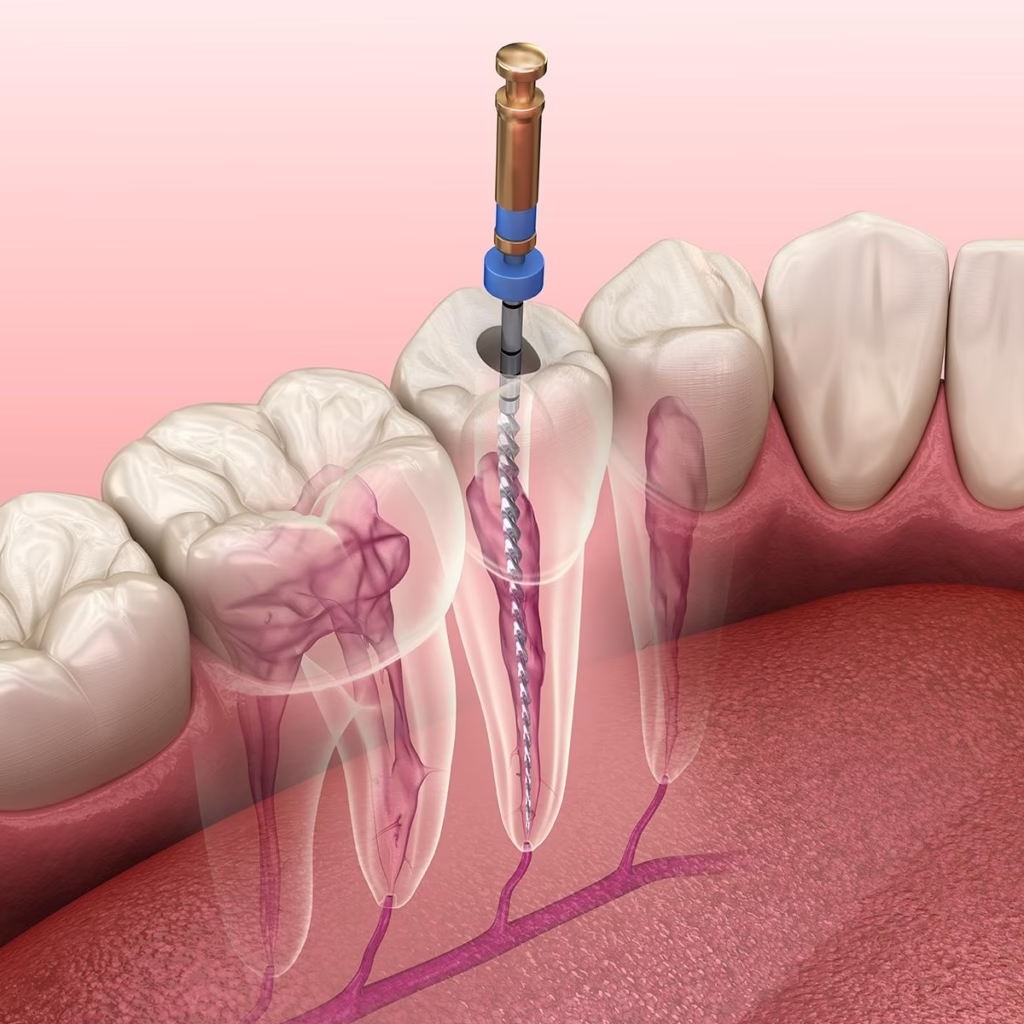
A root canal is a treatment designed to remove infected tissue from inside your tooth, stopping pain and preventing the need for extraction. The inner chamber of your tooth, known as the pulp, contains nerves and blood vessels that can become infected due to decay, trauma, or repeated dental procedures.
By carefully cleaning and sealing the tooth, a root canal preserves your natural tooth structure while restoring function and comfort.
How the Root Canal Procedure Works
Root canal treatment at Diamond District Dental is straightforward and comfortable thanks to modern technology and anesthesia. Here’s how it works step by step:
Step 1: Consultation & Digital X-Rays
We begin with high-resolution digital X-rays to locate infection and plan your treatment precisely.
Step 2: Local Anesthesia
The affected tooth and surrounding area are numbed to ensure you are comfortable throughout the procedure.
Step 3: Pulp Removal
A small opening is made in the crown of the tooth, and the infected pulp is carefully removed using tiny instruments.
Step 4: Cleaning & Shaping
The canals are disinfected and reshaped to remove bacteria and prepare for sealing.
Step 5: Sealing the Tooth
The cleaned canals are filled with a biocompatible material called gutta-percha to prevent reinfection.
Step 6: Temporary or Permanent Restoration
A temporary filling may be placed, followed by a permanent dental crown to protect the tooth long-term.
Root Canal vs Tooth Extraction: A Side-by-Side Look
Many patients wonder whether it’s better to save the tooth with a root canal or remove it entirely. Here’s a comparison to help you understand your options:

In most cases, saving your natural tooth with a root canal is the healthier and more cost-effective choice.
After Your Root Canal
Your tooth will need to be restored to full strength after the procedure. This usually involves:
- A temporary filling immediately after treatment
- A permanent dental crown to restore durability and chewing ability
At Diamond District Dental, we offer same-day crowns, so in many cases you can complete your root canal and final restoration in just one visit.
For more science-based prevention tips, visit the American Dental Association
Preventing Future Root Canals
While root canals are highly successful, prevention is always best. To lower your risk:
- Visit your dentist every six months for check-ups and cleanings
- Brush and floss daily to prevent cavities
- Treat small cavities promptly with fillings before they spread deeper
FAQs About Root Canals
In most cases, yes. A root canal allows you to keep your natural tooth, which preserves your bite, chewing function, and smile. Extraction may seem simpler, but replacing the tooth with an implant or bridge usually costs more and takes longer.
With proper care and a protective crown, a root canal-treated tooth can last decades or even a lifetime. Regular dental check-ups and good oral hygiene are key to long-term success.
Modern root canals are virtually pain-free. Local anesthesia keeps you comfortable, and most patients feel relief from pain immediately after treatment. Mild soreness for a few days is normal and usually managed with over-the-counter medication.
The cost depends on which tooth is treated and whether a crown is needed. Front teeth generally cost less than molars. At Diamond District Dental, we provide clear estimates during your consultation, and many insurance plans cover part of the procedure.
Fillings are used when decay is limited to the outer layers of the tooth. If the infection reaches the pulp (the tooth’s nerve), a root canal is necessary. Common signs include persistent pain, swelling, or sensitivity that doesn’t go away. A dental exam and X-ray will confirm the right treatment.
Choosing the Right Dentist in NYC
The outcome of your root canal depends on both advanced technology and the skill of your dentist. At Diamond District Dental in Midtown Manhattan, our team uses precision diagnostics, comfortable anesthesia, and modern same-day restorations to make root canal treatment seamless and stress-free.
Final Thoughts
A root canal can save your natural tooth, relieve pain, and restore confidence in your smile. If you’re experiencing sensitivity, severe pain, or swollen gums, don’t wait — the sooner you get treatment, the better your chances of saving the tooth.
Schedule your consultation at Diamond District Dental NYC today and take the first step toward lasting relief and a healthier smile.