
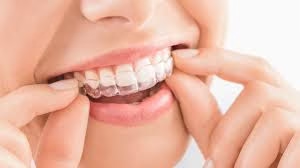
In a busy and appearance conscious city like New York, many patients want a discreet and effective way to fix both cosmetic and functional bite issues. At Diamond District Dental NYC, we offer advanced Invisalign treatment in Manhattan that can correct mild to moderate overbites without metal braces.
This guide explains what an overbite is, how Invisalign works, when it is recommended, and when other treatments may be better. You will also learn about timelines, and what to expect during your Invisalign consultation.
If you are in Midtown Manhattan, the Diamond District, or nearby areas, this guide will help you understand your options for correcting overbites with Invisalign.
What Is an Overbite?
Before choosing any treatment, it helps to understand how overbites develop and how they affect your dental health and facial appearance.
How Overbites Are Defined Clinically
An overbite describes how much your upper front teeth overlap your lower front teeth. A small overlap is normal. When this overlap becomes excessive, it is known as a deep overbite.
There are two main types:
1. Dental overbite
Caused by tooth positioning issues such as angled, rotated, or spaced teeth
2. Skeletal overbite
Caused by jaw structure. The upper jaw may sit forward or the lower jaw may be underdeveloped.
Knowing which type you have helps determine whether Invisalign can correct your overbite or if other treatments are required.
Common Causes of Overbites
Overbites can develop because of:
- Genetics
- Thumb sucking or pacifier use during childhood
- Tongue thrusting
- Uneven jaw growth
- Missing teeth or crowded teeth
Many adults seeking Invisalign in Manhattan are surprised to learn that early childhood habits or inherited jaw traits created the misalignment they see today.
Functional and Aesthetic Impacts of Overbites
An untreated overbite can lead to:
- Jaw strain and headaches
- Uneven enamel wear
- A recessed chin or unbalanced facial proportions
- Difficulty chewing
- Speech concerns
- Increased risk of tooth damage
Correcting an overbite can improve comfort, confidence, and overall oral health.
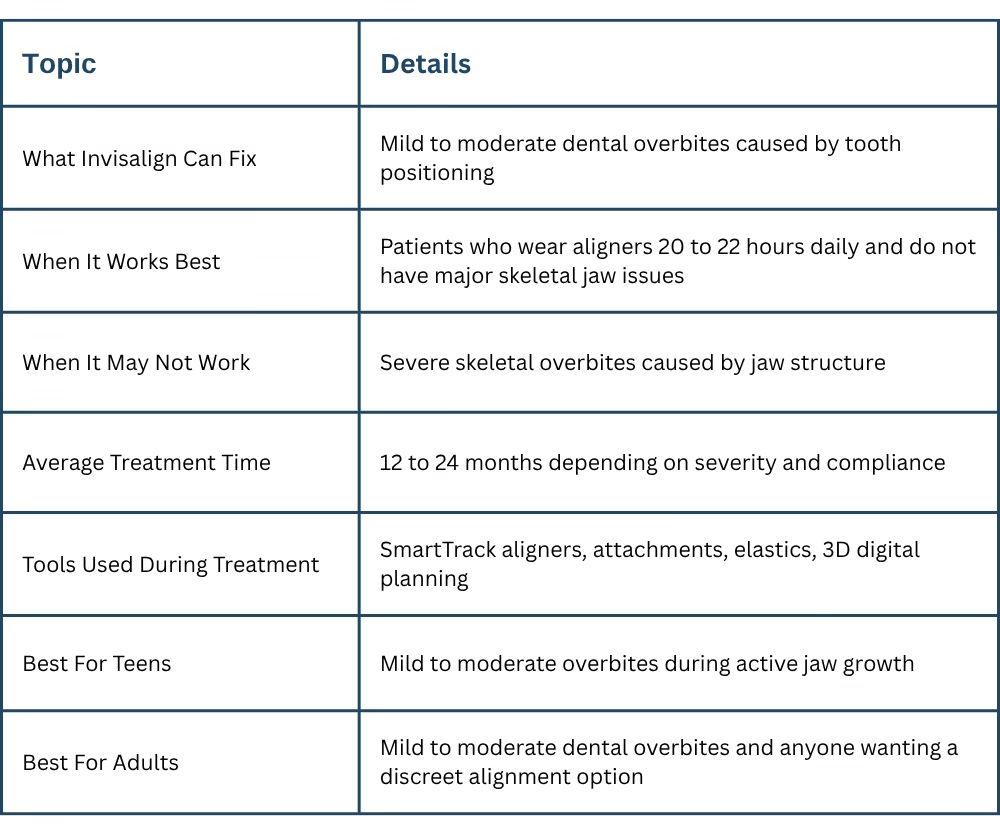
Comparison Table: Invisalign for Overbites
Can Invisalign Fix an Overbite?
In many cases, yes. Invisalign can successfully correct mild to moderate overbites and provide long lasting results when worn consistently.
When Invisalign Works Well
Invisalign is ideal for
- Mild to moderate overbites
- Cases caused by tooth alignment rather than major jaw issues
- Patients willing to wear aligners 20 to 22 hours a day
- Individuals looking for a discreet treatment option
With consistent use, Invisalign can guide your teeth into a healthier, more balanced bite.
Why Invisalign Works Well
Invisalign uses advanced orthodontic methods to correct bite alignment. Here are the key reasons it works effectively:
SmartTrack material
Provides gentle and consistent pressure that moves teeth with better comfort and predictability.
Customized staging
Each set of trays is planned to shift your teeth in small, progressive steps that match your treatment goals.
3D digital planning
Every step of tooth movement is carefully mapped out, allowing precise control over the final result.
Attachments and elastics
Some patients need small tooth colored attachments or discreet elastics to guide bite correction. These additions allow Invisalign to handle bite issues that previously required braces.
How Long Invisalign Takes to Fix an Overbite
Most patients complete treatment in 12 to 24 months. Your timeline depends on the severity of the overbite, age, jaw growth, and how consistently you wear your aligners. Teens may see faster results due to active jaw development, while adults often require the full treatment period.
When Invisalign May Not Be Enough
If your overbite is caused by a significant jaw imbalance, Invisalign alone may not fully correct it. Treatment options may include jaw surgery, traditional braces, or a combined orthodontic plan. A detailed digital evaluation determines the best path forward.
Alternatives to Invisalign for Overbite Correction
If Invisalign is not ideal for your case, other options are available.
Braces
Traditional braces provide strong control over both teeth and jaw movement.
Options include:
- Metal braces
- Ceramic braces
- Functional appliances for teens
Braces often correct moderate to severe overbites more efficiently.
Smile Makeovers and Veneers
For patients with mild, cosmetic concerns only:
- Veneers can improve tooth appearance
- Bonding and whitening can enhance aesthetics
These treatments improve looks but do not correct bite function.
Combined Treatments
Some patients benefit from:
- Invisalign followed by veneers
- Braces combined with surgery for severe jaw issues
Treatment is always tailored to your functional and cosmetic goals.
Ready to Fix Your Overbite with Invisalign in NYC?
Correcting an overbite successfully depends on choosing a dentist who combines expertise with advanced technology and a patient-focused approach. Look for a provider who understands both functional and cosmetic goals and creates a plan that supports long-term alignment, not just quick fixes.
Schedule your Invisalign consultation at Diamond District Dental NYC today and take the first step toward a healthier, more confident smile.