If your dentist has recommended a root canal treatment (RCT), you may be wondering what the procedure involves and whether it will be painful. Root canals have long been associated with discomfort, but modern dentistry has transformed them into a safe, effective, and relatively painless procedure.
A root canal treatment helps save a severely infected or damaged tooth by removing the infected pulp, eliminating bacteria, and restoring the tooth’s function. Rather than extracting the tooth, a root canal allows you to preserve your natural smile while preventing further dental complications.
In this guide, we’ll explain what a root canal is, the symptoms that indicate you may need one, how the procedure works, recovery expectations, and the benefits of saving your natural tooth.
What Is a Root Canal?
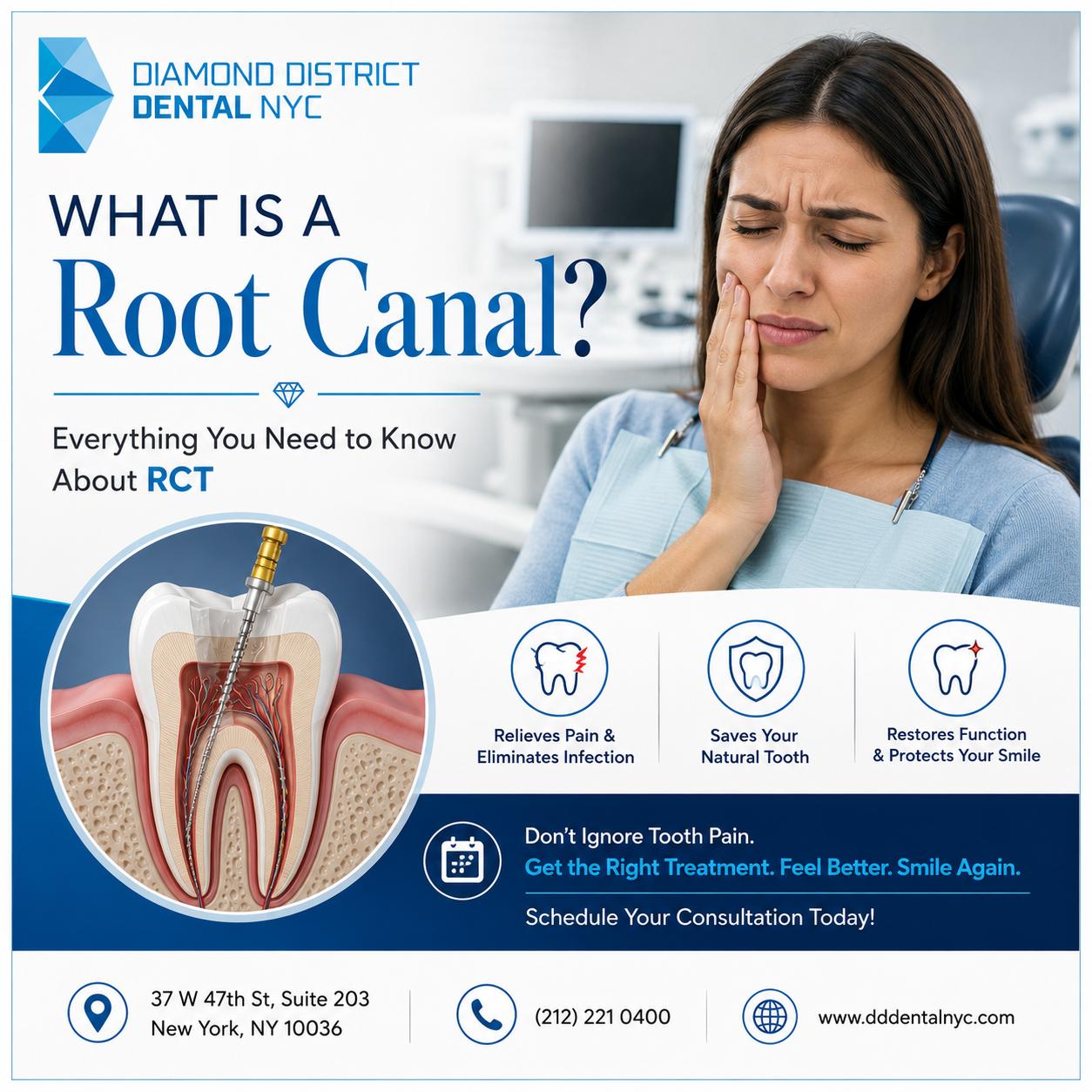
A root canal is a dental procedure used to treat infection or damage within the tooth’s pulp. The pulp is the soft tissue inside the tooth that contains nerves, blood vessels, and connective tissue.
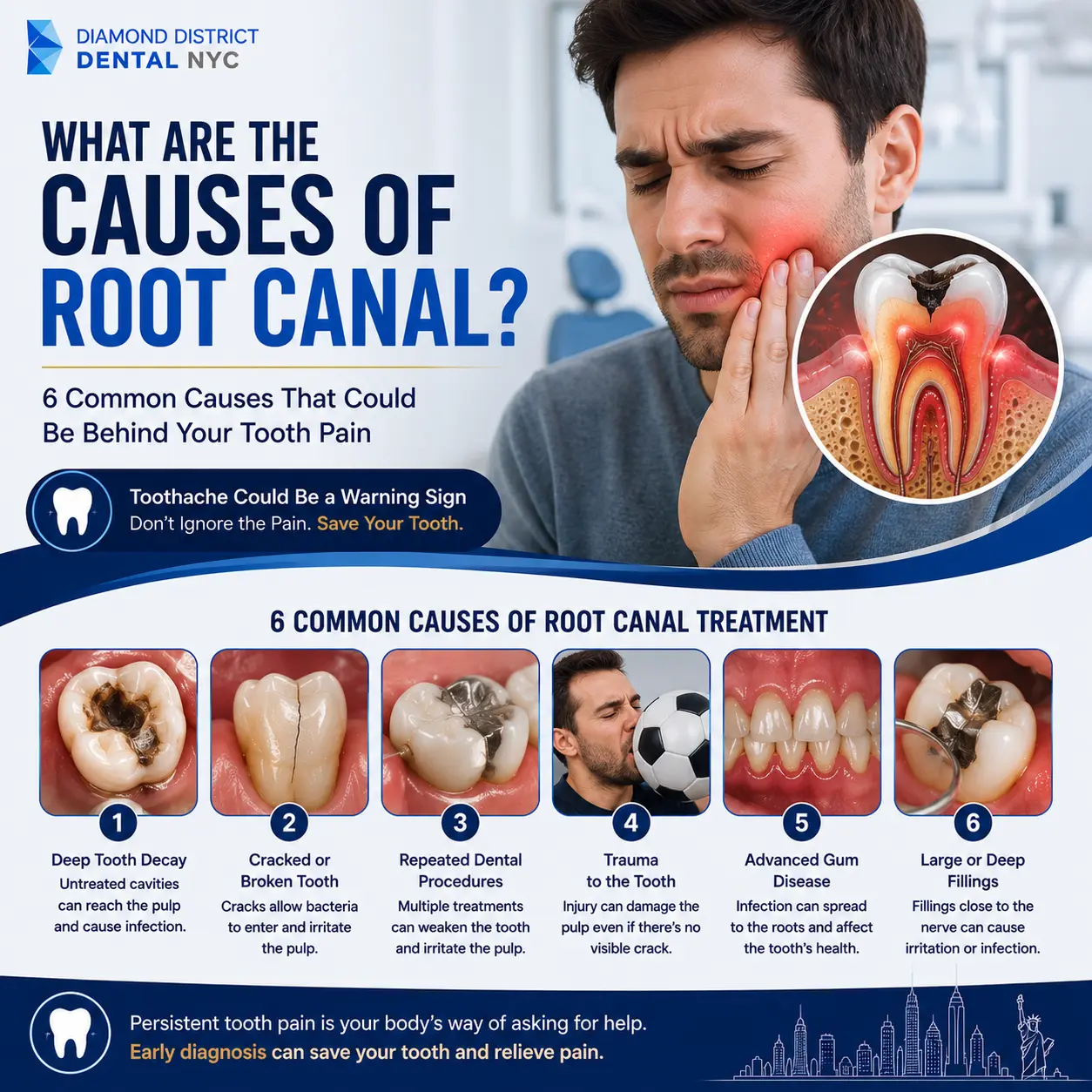
When bacteria enter the pulp due to deep decay, cracks, trauma, or repeated dental procedures, the tissue can become infected or inflamed. If left untreated, the infection may spread to surrounding tissues, causing severe pain, swelling, abscess formation, and even tooth loss.
During root canal treatment, the infected pulp is removed, the inner chambers of the tooth are thoroughly cleaned and disinfected, and the canals are sealed to prevent reinfection.
Why Is Root Canal Treatment Needed?
A root canal is recommended when the pulp inside the tooth becomes infected or damaged beyond the point where it can heal naturally.
- Common reasons for needing root canal treatment include:
- Deep tooth decay reaching the pulp
- Cracked or fractured teeth
- Repeated dental procedures on the same tooth
- Dental trauma or injury
- Severe tooth infection
- Advanced gum disease affecting the tooth roots
- Without treatment, the infection can spread to nearby teeth, gums, and jawbone, leading to more extensive dental problems.
Signs You May Need a Root Canal
While only a dentist can determine whether you need root canal treatment, certain symptoms often indicate underlying pulp damage or infection.
Persistent Tooth Pain
Continuous tooth pain that does not go away is one of the most common signs. The discomfort may worsen while chewing, biting, or applying pressure to the affected tooth.
Sensitivity to Hot and Cold
If you experience lingering sensitivity after consuming hot coffee, tea, cold drinks, or ice cream, it may indicate nerve damage within the tooth.
Swollen or Tender Gums
Swelling around a specific tooth can signal that the infection has spread beyond the tooth into the surrounding gum tissue.
Tooth Discoloration
A tooth that becomes darker, greyish, or discolored may indicate damage to the internal pulp.
Abscess or Pimple on the Gums
A small bump or pimple-like swelling on the gumline may indicate a dental abscess, which requires immediate treatment.
Cracked or Chipped Tooth
Even a small crack can allow bacteria to enter the pulp chamber, leading to infection and inflammation.
What Causes a Root Canal Infection?
Understanding the causes of root canal infections can help you take preventive measures to protect your oral health.
Deep Cavities
Untreated tooth decay is one of the leading causes of pulp infection. As decay progresses deeper into the tooth, bacteria gain access to the pulp.
Dental Trauma
Sports injuries, accidents, or falls can damage the tooth structure and expose the pulp to infection.
Repeated Dental Procedures
Multiple treatments on the same tooth can gradually weaken it and increase the risk of pulp irritation.
Teeth Grinding
Chronic grinding or clenching can create tiny fractures in the tooth, allowing bacteria to enter.
Advanced Gum Disease
Severe periodontal disease can affect the supporting structures around the tooth and contribute to root infections.
Root Canal Procedure: Step-by-Step
One of the biggest concerns patients have is understanding what happens during root canal treatment.
Diagnosis and Examination
Your dentist will perform a comprehensive examination, including X-rays, to assess the extent of infection and determine whether root canal treatment is necessary.
Local Anaesthesia
The affected area is numbed using local anaesthesia to ensure a comfortable and pain-free procedure.
Removing the Infected Pulp
A small opening is created in the tooth to access the pulp chamber. The infected or damaged pulp is carefully removed.
Cleaning and Disinfecting the Canals
Special instruments are used to clean, shape, and disinfect the root canals, eliminating bacteria and debris.
Filling and Sealing
The cleaned canals are filled with a biocompatible material called gutta-percha and sealed to prevent future infection.
Tooth Restoration
In most cases, a dental crown is placed over the treated tooth to restore strength, function, and appearance.
Does a Root Canal Hurt?
This is one of the most searched questions about root canal treatment.
The reality is that modern root canal procedures are designed to relieve pain, not cause it.
Thanks to local anaesthesia and advanced dental technology, most patients report that a root canal feels similar to getting a dental filling. The discomfort experienced before treatment is often far greater than the procedure itself.
After treatment, mild soreness or sensitivity may occur for a few days but can usually be managed with over-the-counter pain medication.
Root Canal Recovery: What to Expect
Recovery after a root canal is typically straightforward.
Immediately After Treatment
- You may experience:
- Mild tenderness around the treated tooth
- Slight sensitivity while chewing
- Temporary numbness from the anaesthesia
- These symptoms generally improve within a few days.
Recovery Tips
Stick to Soft Foods
Choose softer foods for the first 24 to 48 hours to avoid placing excessive pressure on the treated tooth.
Maintain Good Oral Hygiene
Brush and floss regularly while being gentle around the treated area.
Avoid Hard or Sticky Foods
Until your permanent crown is placed, avoid foods that could damage the temporary restoration.
Attend Follow-Up Appointments
Your dentist will monitor healing and ensure the final restoration fits properly. With proper care, a root canal-treated tooth can last for many years and often for a lifetime.
Root Canal vs Tooth Extraction
Many patients wonder whether they should save the tooth or have it removed.
Root Canal Treatment
- Preserves your natural tooth
- Maintains normal chewing function
- Prevents shifting of surrounding teeth
- Often more cost-effective long term
- Maintains natural appearance
Root Canal Treatment
- Removes the damaged tooth entirely
- May require replacement with an implant, bridge, or denture
- Can lead to bone loss if not replaced
- May affect bite alignment
Whenever possible, dentists generally recommend saving the natural tooth through root canal treatment.
Benefits of Root Canal Treatment
Relieves Severe Pain
Removing the infected pulp eliminates the source of pain and discomfort.
Saves Your Natural Tooth
A root canal allows you to keep your natural tooth rather than replacing it.
Prevents Infection Spread
Treating the infection early helps protect surrounding teeth and oral tissues.
Restores Normal Function
Once restored with a crown, the treated tooth functions much like a healthy natural tooth.
Maintains Your Smile
Keeping your natural tooth preserves the appearance and alignment of your smile.
When Should You See a Dentist?
- Do not ignore symptoms such as:
- Persistent tooth pain
- Swollen gums
- Tooth sensitivity that lingers
- Discoloration of a tooth
- Pain while chewing
- Abscess formation
- Early treatment can help prevent complications and increase the chances of saving your tooth.
Frequently Asked Questions
A root canal treatment removes infected or damaged pulp from inside a tooth, cleans the canals, and seals them to prevent reinfection.
Most root canal procedures take between 60 and 90 minutes, although complex cases may require multiple visits.
Modern root canal treatment is typically no more uncomfortable than getting a dental filling due to effective anaesthesia techniques.
Most patients return to normal activities within a day, while minor sensitivity may last a few days.
In many cases, especially for back teeth, a crown is recommended to protect the tooth and restore its strength.
Yes. With proper oral hygiene and regular dental check-ups, a treated tooth can last for decades and often a lifetime.
Conclusion
Root canal treatment is one of the most effective ways to save a severely infected or damaged tooth. Despite common misconceptions, modern root canals are safe, comfortable, and highly successful. By removing infection, relieving pain, and preserving your natural tooth, RCT plays a vital role in maintaining long-term oral health.
If you are experiencing tooth pain, sensitivity, swelling, or signs of infection, don’t wait for the problem to worsen. Early diagnosis and treatment can help protect your smile and prevent more extensive dental procedures in the future.
ccording to the American Association of Endodontists (AAE), root canal treatment is designed to save a natural tooth by removing infected pulp and sealing the root canals.
Schedule Your Dental Consultation Today
If you think you may need a root canal or have concerns about tooth pain, schedule an appointment with your dentist. Early treatment can save your natural tooth and restore your oral health before complications develop.