Most people think of dental appointments as a way to check for cavities, clean their teeth, and maintain a bright smile. While those benefits are certainly important, modern dentistry goes far beyond oral hygiene. In fact, your mouth may reveal valuable clues about your overall health long before noticeable symptoms appear elsewhere in the body.
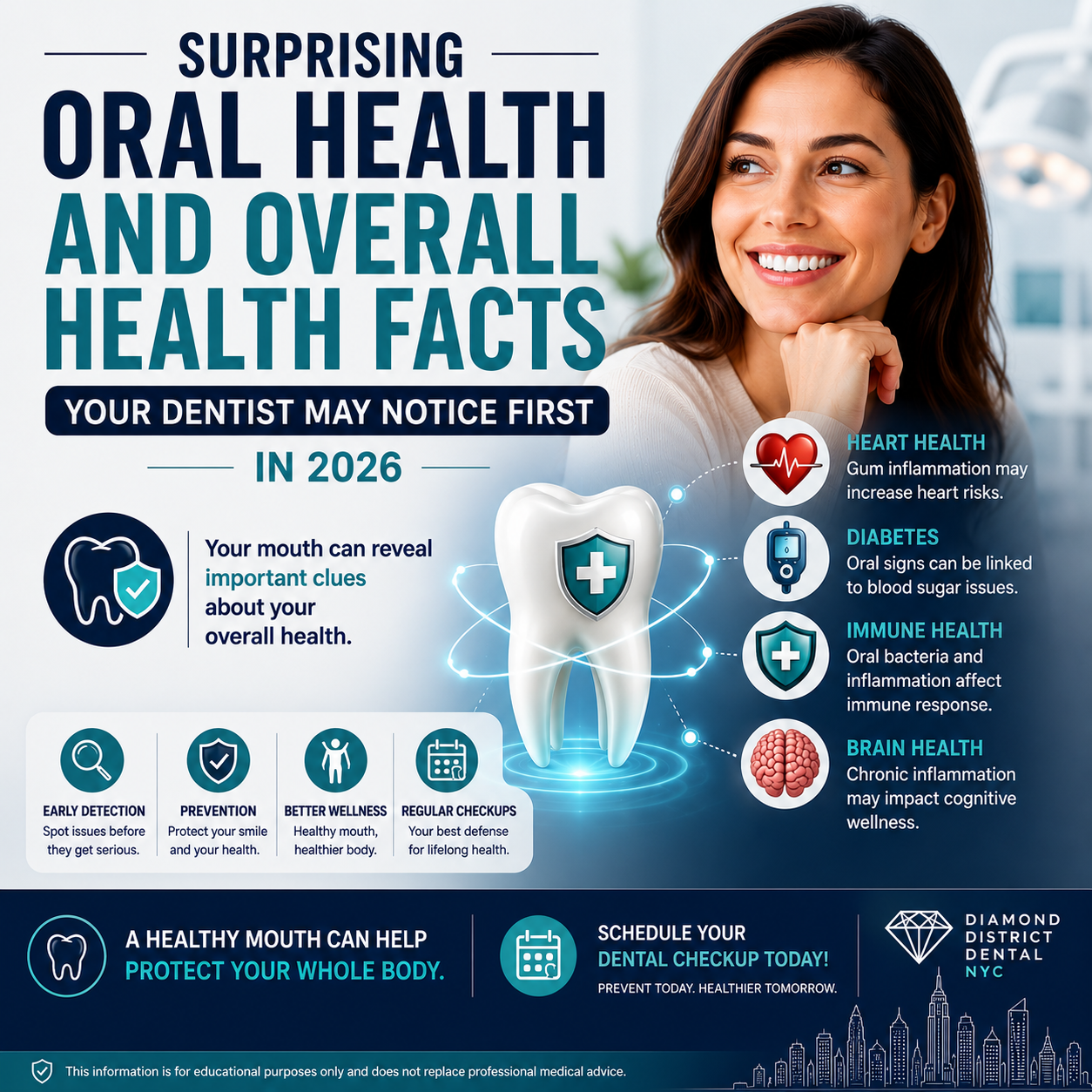
Research continues to strengthen the connection between oral health and overall health. Conditions affecting the gums, teeth, and oral tissues may sometimes indicate broader health concerns such as diabetes, cardiovascular disease, nutritional deficiencies, immune system disorders, and chronic inflammation.
This means your dentist is often one of the first healthcare professionals who can identify warning signs that deserve further attention. Understanding these connections can help you take a more proactive approach to both your oral health and your general well being.
Your Mouth Is a Window Into Your Overall Health
The mouth serves as one of the body’s primary entry points for bacteria. While many bacteria are harmless and naturally present, poor oral hygiene can allow harmful bacteria to multiply and contribute to oral disease.
The health of your gums, teeth, tongue, and surrounding tissues often reflects what is happening throughout the body. Dentists examine these structures during routine visits and may notice changes that suggest underlying health concerns.
For example, inflammation in the mouth can sometimes mirror inflammation occurring elsewhere in the body. Certain medications may produce oral side effects, while systemic diseases may affect gum health, saliva production, and healing ability.
This is why routine dental examinations are increasingly recognized as an important component of preventive healthcare rather than simply dental maintenance.
The Surprising Connection Between Gum Disease and Heart Health
One of the most widely researched relationships in healthcare today is the connection between gum disease and cardiovascular health.
Periodontal disease is a chronic inflammatory condition affecting the gums and supporting structures of the teeth. When left untreated, harmful bacteria can accumulate below the gum line and trigger an ongoing inflammatory response.
Researchers believe that this inflammation may contribute to broader health concerns throughout the body.
Some studies suggest that individuals with advanced gum disease may have a higher risk of certain cardiovascular conditions. While gum disease does not directly cause heart disease, both conditions share common risk factors and inflammatory pathways.
Maintaining healthy gums may support not only oral health but also overall wellness.
Understanding the Link Between Oral Health and Heart Health – See Report on NSW Health Report
What Your Gums May Reveal About Diabetes?
Diabetes and oral health have a particularly strong two way relationship.
People with uncontrolled diabetes often experience increased inflammation throughout the body, including the gums. At the same time, severe gum disease may make it more difficult for some individuals to manage blood sugar levels effectively.
Many dentists pay close attention to certain oral signs that could indicate a need for further medical evaluation.
Oral Health Signs and Possible Health Concerns
| Oral Health Sign | Possible Health Concern |
|---|---|
| Bleeding gums | Elevated diabetes risk |
| Frequent gum infections | Blood sugar management issues |
| Slow healing after dental procedures | Diabetes complications |
| Persistent inflammation | Chronic health conditions |
| Dry mouth | Medication effects or diabetes |
While these signs do not automatically indicate diabetes, they may encourage further investigation by healthcare providers.
Oral Health Warning Signs You Should Never Ignore
Many people ignore oral symptoms because they seem minor or temporary. However, some signs deserve professional attention.
Persistent oral health concerns may indicate problems affecting both the mouth and the body.
Warning signs include:
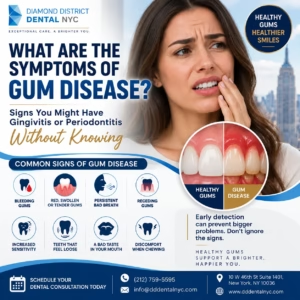
- Bleeding gums during brushing or flossing
- Chronic bad breath
- Loose teeth
- Gum recession
- Persistent dry mouth
- Mouth sores that do not heal
- Tooth sensitivity that suddenly appears
- Changes in bite alignment
Early evaluation often allows problems to be addressed before they become more complex.
How Oral Inflammation Can Affect the Entire Body?
Inflammation is the body’s natural response to infection and injury. However, chronic inflammation can become harmful when it persists over time.
When gum disease develops, inflammatory responses may remain active for extended periods. Researchers continue studying how this inflammation may influence other systems throughout the body.
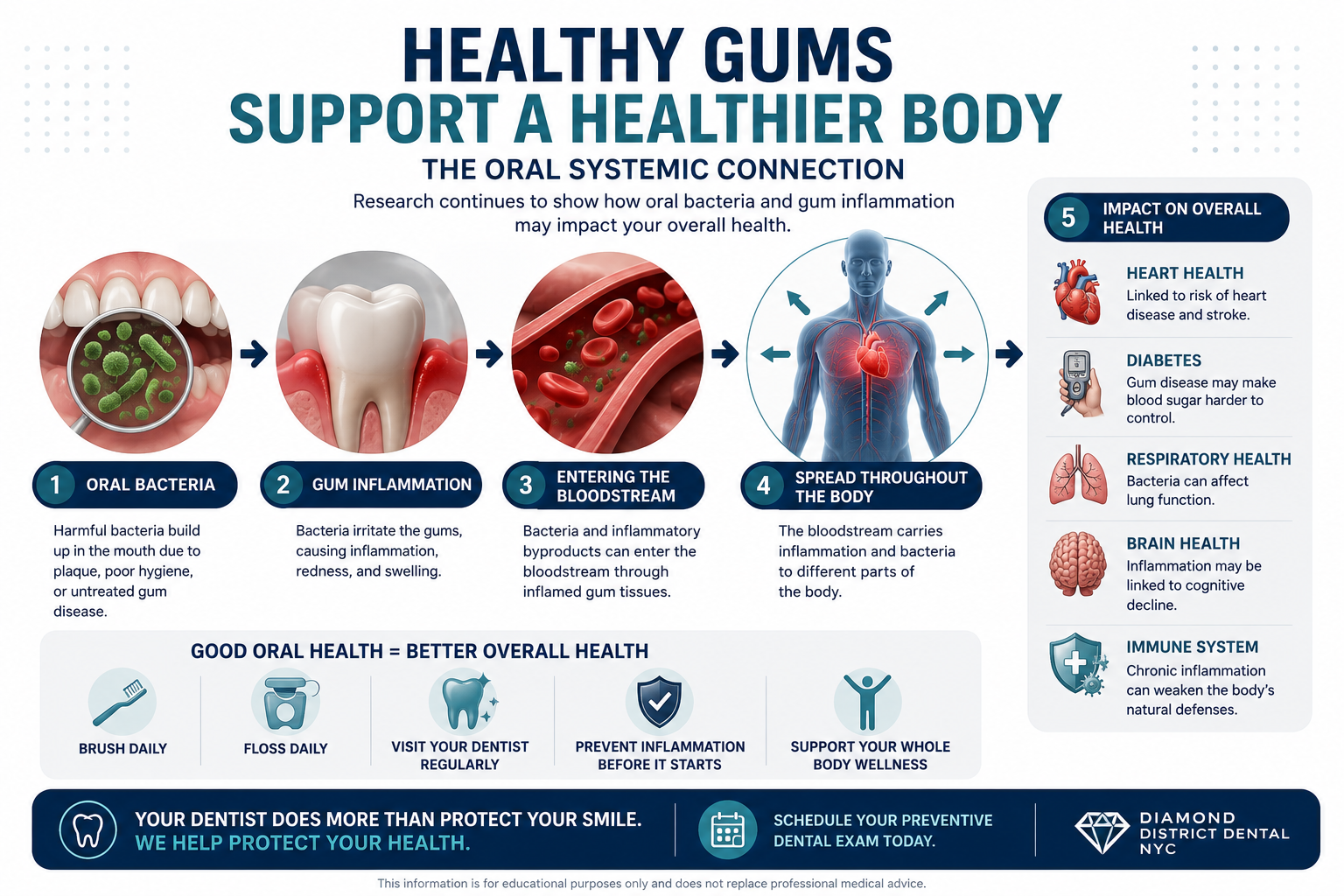
Simple Health Pathway
Oral Bacteria |
Gum Inflammation |
Chronic Inflammatory Response |
Bloodstream Exposure |
Potential Impact on Overall Health |
This relationship helps explain why preventive dental care is increasingly viewed as part of a comprehensive healthcare strategy.
Can Your Dentist Detect Vitamin Deficiencies?
Many patients are surprised to learn that nutritional deficiencies may sometimes appear in the mouth before they become obvious elsewhere.
Certain vitamin and mineral deficiencies can affect:
- Gum health
- Tissue healing
- Tongue appearance
- Mouth comfort
- Immune function
For example, deficiencies involving Vitamin B12, iron, and folate may contribute to changes in oral tissues.
Dentists may notice:
- Unusual tongue appearance
- Pale oral tissues
- Persistent mouth soreness
- Delayed healing
While these findings alone cannot diagnose a deficiency, they may support further medical evaluation.
What Happens During a Preventive Dental Exam?
A comprehensive dental examination involves much more than looking for cavities.
Modern preventive dental visits often include evaluations of:
- Teeth and restorations
- Gum health
- Bite alignment
- Soft tissues
- Oral cancer screening
- Digital imaging when necessary
- Signs of infection or inflammation
- Overall oral function
Regular examinations provide opportunities to identify problems early, often before noticeable symptoms develop.
Why Preventive Dentistry Matters More After Age 30?
As we age, oral health risks evolve. Preventive care becomes increasingly important because certain conditions become more common over time.
Common Oral Health Concerns by Age Group
Age Group | Common Oral Health Concerns |
|---|---|
20s | Cavities, wisdom teeth issues, sports injuries |
30s | Early gum disease, stress related grinding |
40s | Gum recession, restorative treatment needs |
50s | Bone loss, dry mouth, periodontal concerns |
60+ | Tooth loss risk, complex restorative care |
Routine dental visits help monitor these changes and support long term oral health.
Oral Health Habits and Whole Body Benefits
Good oral hygiene practices offer benefits that extend beyond a brighter smile.
Healthy Habits and Their Potential Benefits
Oral Health Habit | Potential Benefit |
|---|---|
Brushing twice daily | Reduced bacterial buildup |
Daily flossing | Lower gum inflammation |
Professional cleanings | Early disease prevention |
Routine dental exams | Early health monitoring |
Healthy diet choices | Better oral and systemic wellness |
Small daily habits can contribute to long term health outcomes.
The Hidden Impact of Dry Mouth
Saliva plays a critical role in maintaining oral health.
It helps:
- Wash away food particles
- Neutralize acids
- Support healthy tissues
- Protect teeth from decay
Persistent dry mouth may increase the risk of cavities, gum disease, and oral discomfort.
Dry mouth may also be associated with certain medications, medical conditions, and lifestyle factors. Because of this, dentists often investigate the underlying cause rather than simply treat
Why Regular Dental Visits Are About More Than Teeth?
Many serious oral health problems develop gradually. Early stages of gum disease, tooth decay, and oral infections may produce little or no discomfort.
Routine dental visits provide opportunities for:
- Early detection
- Preventive care
- Professional monitoring
- Personalized oral health guidance
- Long term treatment planning
A dentist’s role extends beyond maintaining teeth. Regular visits help support overall wellness through preventive care and ongoing health assessment.
Protect More Than Your Smile
Your mouth provides valuable insight into your overall health. Paying attention to oral health concerns and maintaining regular dental visits can help identify potential issues before they become more serious.
At Diamond District Dental NYC, we believe preventive care plays a vital role in protecting both your oral health and your long term wellness.
Frequently Asked Questions
Research suggests that chronic gum inflammation may be associated with cardiovascular health concerns. Maintaining healthy gums supports overall wellness.
Dentists may notice oral symptoms associated with diabetes, including gum inflammation, delayed healing, and frequent infections.
Bleeding gums may indicate inflammation, gum disease, or other oral health concerns that should be evaluated by a dental professional.
Certain oral infections may allow bacteria to enter the bloodstream, which is one reason preventive oral care is important.
Many adults benefit from routine dental examinations every six months, although individual recommendations may vary.
Common signs include bleeding gums, redness, swelling, bad breath, and gum tenderness.
Yes. Certain nutritional deficiencies may contribute to changes in oral tissues, healing ability, and gum health.
Preventive dentistry helps identify problems early, supports oral health, and may contribute to overall health monitoring.
Conclusion
The connection between oral health and overall health continues to become clearer as research advances. Your mouth is more than a smile. It can provide valuable clues about inflammation, chronic disease risk, nutritional status, and general wellness.
By maintaining good oral hygiene habits and scheduling regular dental examinations, you give yourself the opportunity to identify potential concerns earlier and protect both your oral and overall health.
In many cases, your dentist may notice important health warning signs before symptoms become obvious elsewhere. That makes preventive dental care one of the most valuable investments you can make for your long term well being.