What are the Symptoms of Gum Disease? For many people, the answer is not as obvious as they expect. Gum disease can develop quietly, especially in the early stages, and some patients do not realize anything is wrong until the condition has already progressed.
That is part of what makes gum disease so important to catch early. Gingivitis, the first stage, can often be reversed with timely professional care and better home habits. Periodontitis, the more advanced stage, can cause lasting damage to the structures that support the teeth if it is not treated.
At Diamond District Dental NYC, we often see patients in New York City who thought they were just dealing with “a little bleeding” or “bad breath from coffee,” only to learn they had a much bigger gum health issue. The good news is that the earlier gum disease is identified, the more treatment options are available and the better the long term outlook tends to be.
What are the Symptoms of Gum Disease?
The symptoms of Gum Disease usually start subtly. In the beginning, they may look like mild irritation rather than a clear dental problem. Many patients assume their gums are only sensitive because of brushing too hard, stress, or a change in diet.
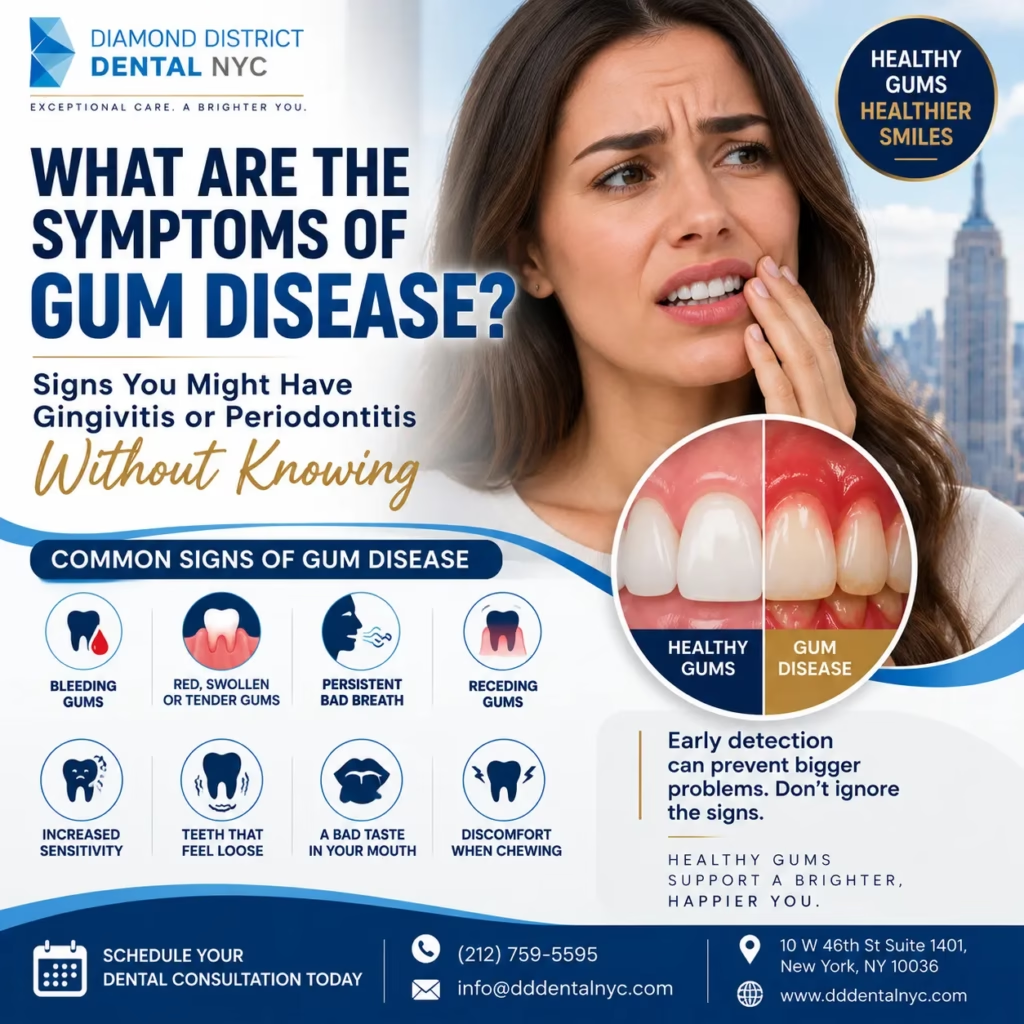
Common symptoms include:
- Gums that bleed when brushing or flossing
- Red, puffy, or tender gums
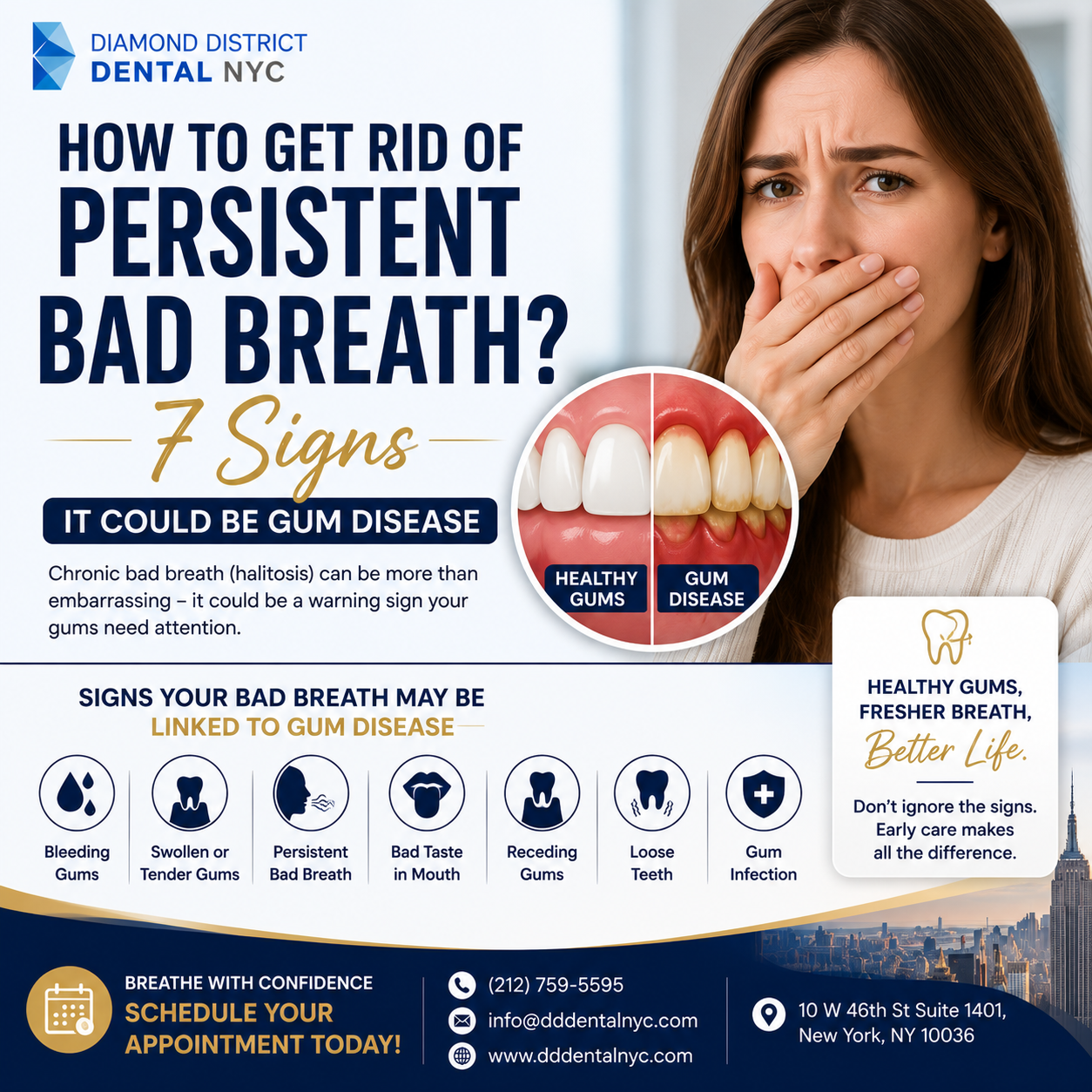
- Persistent bad breath
- A bad taste in the mouth
- Gums that seem to be pulling away from the teeth
- Teeth that feel slightly loose
- Increased sensitivity, especially near the gumline
- Discomfort when chewing
Not every person will notice all of these signs. Some people have only one or two symptoms, while others may have several. Some patients also have gum disease with very little pain, which is one reason it can go unnoticed for months or even years.
Why is gum disease often missed?
A common myths of gum disease always hurts. In reality, early gum inflammation can be painless. That is why routine dental checkups matter, even for adults who brush and floss regularly.
Another reason gum disease is missed is that its symptoms can be easily explained away. Bleeding gums may seem minor. Bad breath may be blamed on food. Mild gum swelling may be brushed off as temporary irritation. But these signs can be your mouth’s way of warning you that bacteria are irritating the gums and, in some cases, damaging the bone and connective tissue beneath them.
Seasonal changes can even play a role in how people notice symptoms. During busy holiday periods or travel-heavy months, oral hygiene routines can slip, and gum inflammation may become more noticeable.
Gingivitis vs. periodontitis: how the symptoms differ
Gum disease is not one single condition. It usually progresses in stages. – Gingivitis Vs. Periodontitis
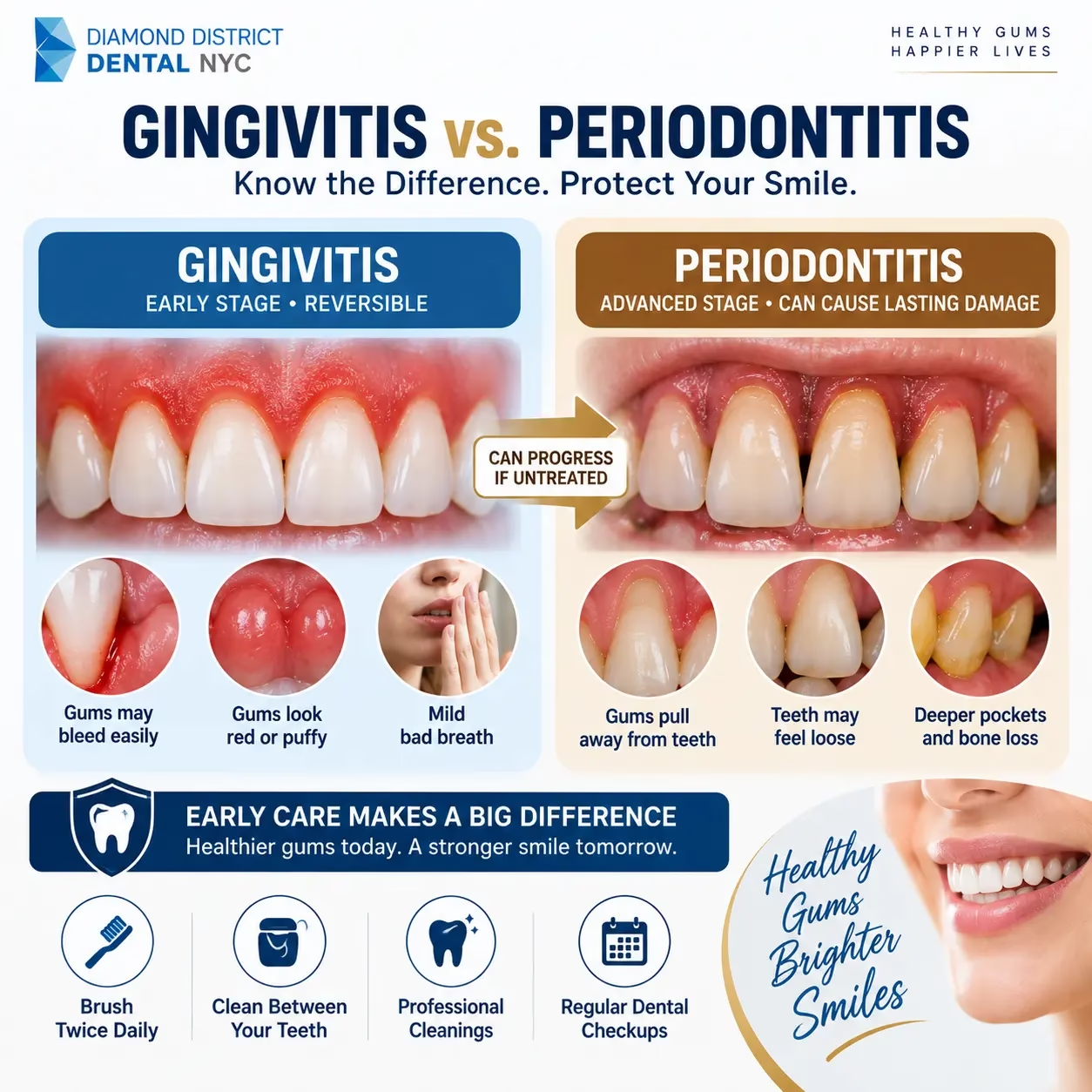
Gingivitis is the earliest stage of gum disease. It affects the gums but has not yet damaged the deeper structures that support the teeth. It is commonly linked to plaque buildup along the gumline.
Typical gingivitis symptoms include:
- Bleeding gums
- Gum redness
- Swelling
- Tenderness
- Mild bad breath
With professional cleaning and improved oral hygiene, gingivitis can often be controlled and sometimes reversed.
Periodontitis is the advanced stage. At this point, inflammation has spread deeper, and the supporting tissues and bone can begin to break down. This stage requires more involved treatment and ongoing maintenance.
Possible periodontitis symptoms include:
- Receding gums
- Gaps developing between teeth
- Loose or shifting teeth
- Pain when chewing
- Pus around the gumline
- Chronic bad breath
- A change in how your bite feels
Here is a simple comparison:
Feature | Gingivitis | Periodontitis |
Gums bleed easily | Common | Common |
Red or swollen gums | Common | Common |
Bone loss | No | Yes, may occur |
Loose teeth | No | Possible |
Reversible with routine care | Often possible | Usually requires professional treatment and maintenance |
Signs you should not ignore
Some symptoms deserve prompt attention, especially if they last more than a week or two.
Bleeding when brushing or flossing is not something to dismiss as normal. Healthy gums should not bleed routinely. While occasional irritation can happen, repeated bleeding is often a sign of inflammation.
Everyone has morning breath sometimes. Persistent bad breath that returns quickly after brushing may indicate bacteria trapped below the gumline or in periodontal pockets.
If your teeth appear longer than before, your gums may be receding. This can expose sensitive root surfaces and signal more advanced gum problems.
Teeth that feel slightly mobile, or a bite that seems different, can suggest the supporting bone has been affected. That is a reason to seek dental care sooner rather than later.
Gums that look puffy, glossy, or unusually red may be inflamed. This can happen even in people who do not feel much pain.
Who is at higher risk for gum disease?
Anyone can develop gum disease, but some people are more vulnerable than others.
Risk factors may include:
- Inconsistent brushing and flossing
- Smoking or tobacco use
- Diabetes
- Dry mouth
- Hormonal changes
- Certain medications
- Poorly fitting dental work
- A family history of gum disease
- Stress
- Teeth that are crowded or difficult to clean
Adults in busy urban environments, including many patients in NYC, sometimes delay preventive visits because of work schedules. That can allow small issues to develop into more serious ones over time.
How dentists diagnose gum disease
A dental evaluation is the best way to confirm whether symptoms are caused by gingivitis, periodontitis, or another issue.
During an exam, your dentist may:
- Review your symptoms and medical history
- Measure the space between the teeth and gums
- Check for bleeding, swelling, or recession
- Look for plaque and tartar buildup
- Evaluate tooth mobility
- Take X rays to assess bone levels if needed
This visit helps determine not only whether gum disease is present, but also how advanced it is and what treatment approach makes sense.
Treatment options and what to expect
Treatment depends on how far the condition has progressed and how well your gums respond to care.
Professional cleaning
For many patients with gingivitis or early gum disease, a thorough professional cleaning is an important first step. This removes plaque and tartar that cannot be eliminated by brushing alone.
Scaling and root planing
For periodontitis, deep cleaning known as scaling and root planing may be recommended. This procedure cleans below the gumline and smooths tooth roots to make it harder for bacteria to collect again.
Ongoing periodontal maintenance
Patients who have had periodontitis often need more frequent cleanings to help keep inflammation under control. This is not a one time fix. Gum health usually requires long term follow up.
Additional treatment
In more advanced cases, referral for specialized periodontal care may be needed. Some patients may also benefit from treatment of contributing factors such as dry mouth, bite issues, or replacing dental restorations that trap plaque.
Treatment | Best for | What it does | Limitations |
Mild buildup, prevention | Removes plaque and tartar above the gumline | May not treat deeper infection | |
Scaling and root planing | Gingivitis with deeper pockets or early periodontitis | Cleans below the gumline | May need more than one visit |
History of gum disease | Helps prevent recurrence | Requires ongoing visits | |
Surgical periodontal care | More advanced cases | Addresses deeper disease | Not needed for every patient |
Can gum disease affect more than the mouth?
Research has long explored possible connections between gum health and overall health. Poor gum health has been associated with inflammation and with certain medical conditions, though these relationships can be complex and do not mean gum disease directly causes every related problem.
For patients, the practical takeaway is straightforward: healthy gums support a healthy mouth, and oral health is an important part of overall wellness. That is one reason regular dental visits matter, especially for adults managing chronic health conditions.
What can you do at home?
Home care plays a major role in gum health, but it works best alongside professional treatment.
Helpful habits include:
- Brush twice a day with a soft-bristled toothbrush
- Clean between the teeth daily with floss or another interdental cleaner
- Use fluoride toothpaste
- Replace your toothbrush every few months or sooner if bristles are frayed
- Drink water regularly
- Avoid tobacco
- Follow your dentist’s hygiene recommendations
If your gums bleed at first when you start flossing more consistently, do not assume that means flossing is hurting you. Often, it means the gums are already inflamed and need better cleaning. Still, if bleeding continues, it should be evaluated by a dentist.
When to see a dentist?
You should schedule a dental visit if you notice:
- Bleeding gums that do not improve
- Swollen or tender gums
- Bad breath that lasts despite brushing
- Receding gums
- Loose teeth
- Pain when chewing
- Any gum change that concerns you
If symptoms are severe, sudden, or associated with swelling, pus, fever, or significant pain, seek prompt dental care. In some cases, you may need urgent evaluation.
Conclusion
What are the Symptoms of Gum Disease? In many cases, the signs begin quietly: bleeding gums, swelling, bad breath, or subtle changes in how your gums look and feel. Because early gum disease can be easy to miss, paying attention to these symptoms matters.
The earlier gingivitis is identified, the more manageable it usually is. If the condition has progressed to periodontitis, professional treatment becomes even more important to help protect the gums, teeth, and supporting bone. For patients in NYC and surrounding neighborhoods, staying consistent with preventive dental care can make a real difference.
Frequently Asked Questions
Early signs of gum disease often include red, swollen, or tender gums that bleed during brushing or flossing. Some people may also notice persistent bad breath or mild gum sensitivity. Early treatment can help prevent the condition from worsening.
No. Gum disease does not usually go away without treatment. While early gingivitis may improve with professional dental cleanings and good oral hygiene, more advanced gum disease requires prompt care to prevent further damage.
No. Gum disease often develops without noticeable pain, especially in its early stages. Regular dental checkups are important because many patients do not realize they have gum disease until it becomes more advanced.
Yes, persistent bad breath can be an early sign of gum disease. Bacteria trapped below the gumline may cause unpleasant odors, especially when accompanied by bleeding gums, swelling, or plaque buildup.
No. Receded gum tissue does not naturally grow back once it is lost. However, professional treatment can help stop further recession, protect your teeth, and restore gum health in appropriate cases.
The ideal cleaning schedule depends on the severity of your gum disease and your oral health needs. Many patients benefit from periodontal maintenance visits every three to four months, as recommended by their dentist.
Yes. Gum disease is one of the most common oral health conditions in adults and becomes more common with age. Regular dental exams, professional cleanings, and good oral hygiene can help reduce your risk.
Yes. Even occasional bleeding gums can be an early warning sign of gum disease or gum inflammation. Scheduling a dental evaluation can help identify the cause and prevent more serious oral health problems.
Experience faster, more accurate, and more comfortable dental care with modern digital technology.
If you have noticed bleeding gums, persistent bad breath, or other possible signs of gum disease,
schedule a consultation with Diamond District Dental NYC. Our team can evaluate your gums, explain your treatment options, and help you take the next step toward healthier oral care with a plan tailored to your needs.