
SMILE & ALIGNMENT · MIDTOWN MANHATTAN
Discolored Teeth in NYC? Why Teeth Turn Yellow, Gray, Brown or White
Tooth color is a clue not a diagnosis. Yellowing across many teeth, a chalky white spot, a brown groove and one suddenly dark tooth can come from very different processes. The right next step depends on where the color is coming from and whether the tooth is otherwise healthy.
One tooth turned gray
Check pulp health before treating the color cosmetically.
All teeth look more yellow
Natural dentin, age and surface stain can all contribute.
Book Appointment
Get Your Consultation
Same-day replies. No obligation. A real dentist reviews every request.
Whitening is not the first answer to every color change. If one tooth is newly dark, a white area may represent mineral loss, or a dark spot could be decay, the tooth should be evaluated before cosmetic treatment is selected.
20-SECOND EXPLANATION
What Is Tooth Discoloration?
Tooth discoloration means a change in normal tooth color, brightness or uniformity. The change may sit on the surface, exist inside the tooth, develop during enamel formation or come from an older dental restoration.
01
Extrinsic stain sits on the outside
Coffee, tea, tobacco, plaque and other pigments can collect on the external tooth surface.
02
Intrinsic discoloration comes from within
Developmental changes, trauma, medications or internal tooth changes can alter enamel or dentin color.
03
Localized and generalized color changes mean different things
One dark tooth deserves a different evaluation from gradual yellowing across an entire smile.
WHAT ARE YOU SEEING?
Common Tooth Color Changes Patients Notice
The same color can come from more than one cause. These patterns are starting points for evaluation, not self-diagnoses.
Overall yellow teeth
Natural dentin color, accumulated surface stain and age-related enamel changes can make the smile look warmer over time.
Brown stain near the gumline
Plaque, tartar, tobacco or beverage staining can collect around the tooth surface near the gums.
One gray or dark tooth
Previous trauma, internal tooth changes, past root canal treatment or other localized causes need evaluation before whitening.
White or chalky spots
Possible causes include early mineral loss, fluorosis, developmental enamel differences or post-orthodontic white-spot lesions.
Dark groove or restoration margin
Stain, a restoration margin, inactive or active decay can all look dark. Color alone cannot determine which one it is.
A crown no longer matches
Natural teeth may change shade while existing crowns, veneers or fillings retain a different color.
CONDITION-SPECIFIC INFOGRAPHIC
Why Did My Tooth Change Color?
Different color patterns lead to different next steps. Whitening is only one possible pathway.
Surface stain
Pigments from drinks, tobacco, plaque or tartar may collect on the outer tooth surface.
Natural / age-related color
Natural dentin and accumulated stain may show more strongly as enamel changes over time.
White spot / mineral change
White areas can reflect early mineral loss, fluorosis or developmental enamel differences.
One dark tooth / trauma or pulp change
A single gray or dark tooth may need pulp testing before cosmetic treatment.
Developmental / restoration-related color
Long-standing intrinsic color or dental materials may respond differently from natural enamel.
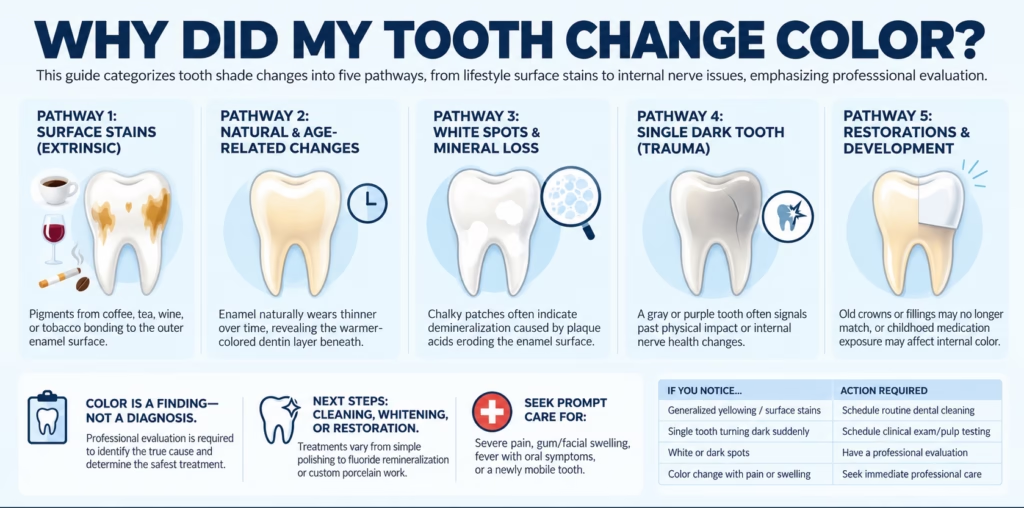
The Color Change Tells You Where to Look Next
A professional cleaning may help surface stain. Whitening may help selected natural-tooth discoloration. A single dark tooth or suspicious white/dark spot may need diagnostic evaluation first.
Yellow is not automatically unhealthy
Natural tooth shades vary, and dentin is naturally warmer than enamel.
Dark is not automatically decay
Stain, a restoration margin and inactive or active caries can overlap visually.
White is not automatically a cavity
Mineral loss is one possible cause among several developmental and structural patterns.
TREATMENT FOLLOWS THE CAUSE
How Can Discolored Teeth Be Treated?
The least invasive option that fits the diagnosis is usually the best place to start.
SURFACE STAIN
Professional Cleaning / Polishing
Professional cleaning can remove plaque, tartar and some external stain without changing the tooth's intrinsic shade.
RESPONSIVE NATURAL-TOOTH COLOR
Professional Teeth Whitening
Peroxide-based whitening can lighten many natural teeth, but the amount of change varies and not every discoloration type responds equally.
WHITE-SPOT / ENAMEL CONCERN
Enamel-Focused Management
Depending on whether a white area reflects early mineral loss or a developmental defect, options may include fluoride/remineralization strategies or other conservative enamel treatments.
ONE DARK TOOTH
Pulp Evaluation First
A dark tooth after trauma or suspected internal change should be tested before cosmetic treatment. Root canal therapy is used only when the pulp diagnosis supports it.
DEEP / STRUCTURAL COLOR DIFFERENCE
Bonding or Veneers in Selected Cases
When color cannot be predictably improved with whitening alone, cosmetic restorations may be considered after discussing tooth preservation and maintenance.
MISMATCHED RESTORATION
Restoration Replacement When Justified
A crown, veneer or filling that no longer matches may be remade if there is a clinical or aesthetic reason. Whitening will not change the restoration's shade.
WHAT WHITENING CAN AND CANNOT DO
Whitening Works Best When the Discoloration Is the Kind Bleaching Can Reach
ADA patient guidance notes that yellow teeth often respond better than brown or gray shades, and whitening does not change crowns, veneers or fillings. Tooth injury and some medication-related discoloration may also respond poorly to ordinary bleaching.
SURFACE VS. INTERNAL COLOR
Extrinsic Stain Is Different From Intrinsic Discoloration
This distinction is why a cleaning, whitening treatment and veneer are not interchangeable solutions.
Color on the Outside Surface
Pigments can bind to the external pellicle and tooth surface over time.
- Bleeding with brushing or flossing is common.
- Teeth remain supported by their periodontal attachment.
- It can often be reversed with effective plaque control and professional care.
Color Within Enamel or Dentin
Internal color changes can develop from natural anatomy, age, development, trauma, medications or previous dental treatment.
- It can be present with little or no pain.
- Bleeding can occur, but bleeding alone does not diagnose the stage.
- Clinical probing and bone-support assessment are needed.
Independent overview of tooth discoloration
Cleveland Clinic distinguishes extrinsic from intrinsic discoloration and notes that causes can include foods and drinks, tobacco, aging, trauma, medications and dental treatment.
COLOR EVALUATION
How Does a Dentist Evaluate Discolored Teeth?
The important question is whether the discoloration is cosmetic, structural, developmental or related to active dental disease.
Two teeth that both look gray can need very different care. The plan is based on pulp health, tooth structure, restorations and discoloration type not shade alone.
Ask when and where the color changed
One tooth vs. many, sudden vs. gradual, and trauma or medication history can narrow the possibilities.
Inspect enamel, roots and restoration margins
The dentist looks for surface stain, white-spot patterns, wear, recession, dark grooves and color around existing dental work.
Check for decay or structural damage
Clinical findings and dental imaging are used when appropriate to distinguish stain from caries, fractures or other problems.
Test a single dark tooth when indicated
Cold, electric pulp testing, percussion or bite testing may be used when pulp health is part of the question.
Discuss the cosmetic goal only after diagnosis
Whitening, bonding, veneers or restoration replacement make more sense once the source of the color difference is understood.
UNDERSTANDING TOOTH COLOR CHANGES
Why Can Teeth Look Gray, White, Brown, Black or Yellow?
Not every color change means the same thing. A single dark tooth, white spot, dark groove or yellow root surface can each follow a different diagnostic pathway, so appearance alone should not be used to self-diagnose the cause.
ONE TOOTH IS DARKER
Trauma Can Change Internal Tooth Color
A single tooth that turns gray, yellow-brown or darker deserves more attention than generalized surface staining. Trauma can injure the pulp and internal blood supply, and the tooth may discolor right away, gradually or long after the original injury.
- Gray, yellow-brown or darker color can occur.
- The tooth may have no pain.
- Color alone does not prove whether the pulp is vital or necrotic.
PULP HEALTH COMES FIRST
One Dark Tooth Should Be Evaluated Before Whitening
When one tooth looks darker than its neighbors, the dentist may combine symptom history with pulp testing and dental imaging when clinically appropriate before discussing cosmetic treatment.
- Gray, yellow-brown or darker color can occur.
- The tooth may have no pain.
- Color alone does not prove whether the pulp is vital or necrotic.
WHITE-SPOT / ENAMEL CONCERN
Is It Early Mineral Loss or Something Else?
White spots can sometimes reflect early enamel demineralization, but they can also be related to fluorosis or developmental enamel differences.
- Gray, yellow-brown or darker color can occur.
- The tooth may have no pain.
- Color alone does not prove whether the pulp is vital or necrotic.
BROWN OR BLACK AREAS
Dark Color Does Not Automatically Mean Decay
Brown or black areas may represent surface stain, inactive change, active decay or a color change around a restoration margin.
- Gray, yellow-brown or darker color can occur.
- The tooth may have no pain.
- Color alone does not prove whether the pulp is vital or necrotic.
YELLOW COLOR
Natural Dentin Can Show Through
Some yellow color comes from normal tooth anatomy rather than from external staining alone. Dentin under the enamel is naturally warmer in shade, and it can become more visible as enamel gets thinner or more translucent.
- Natural tooth shades vary.
- Years of staining can add to the color change.
- Yellow teeth can still be structurally healthy.
YELLOW ROOT SURFACES
Receded Gums Can Expose a Yellower Root
Root surfaces do not have the same enamel covering as the visible crown, so exposed roots often look yellower and may also be more sensitive.
- Abrasive whitening products can irritate exposed roots.
- Root color should not be treated as simple cosmetic stain without checking the gumline.
- Root exposure can also raise sensitivity and root-caries concerns.
Trusted guidance on early mineral loss and tooth color evaluation
White, brown, black, gray and yellow changes do not all mean the same thing. When a tooth color change is localized, new, or associated with sensitivity, pain or a visible structural change, evaluation should come before cosmetic treatment.
SAFER BRIGHTENING HABITS
What Can You Safely Do at Home?
Daily care can reduce new surface staining, but DIY whitening should not be used to cover up an unexplained dark or painful tooth.
Helpful habits
- Brush twice daily with fluoride toothpaste and clean between teeth every day.
- Rinse with plain water after coffee, tea, red wine or other strongly staining drinks.
- Reduce tobacco exposure to limit stain and protect broader oral health.
- If using an over-the-counter whitening product, follow directions and look for an ADA Seal of Acceptance where available.
- Keep regular professional cleanings to remove plaque, tartar and external stain that home care cannot fully remove.
What home care cannot safely do
- It cannot diagnose why one tooth turned gray after trauma.
- It cannot treat pulp necrosis, an abscess or active tooth decay.
- It cannot reliably change the shade of crowns, veneers, or fillings.
- it cannot determine whether a white spot is fluorosis, developmental enamel change or early demineralization.
- Avoid lemon juice, vinegar, household bleach, aggressive charcoal scrubs or other abrasive/acidic DIY whitening methods.
WHEN BLEEDING NEEDS FASTER ATTENTION
When Should Bleeding Gums Be Checked Promptly?
Routine mild bleeding with cleaning is different from spontaneous, uncontrolled or trauma-related bleeding especially when swelling, pus, fever or mobility are present.
Spontaneous bleeding without cleaning
Bleeding that begins without brushing, flossing or trauma deserves prompt professional assessment.
Heavy or difficult-to-stop bleeding
Persistent bleeding despite gentle pressure may need urgent dental or medical attention.
Pus, drainage, fever or rapidly increasing swelling
These findings can accompany infection and should not be managed only with home care.
Loose or shifting adult tooth
Mobility with bleeding can indicate that the tissues supporting the tooth need prompt evaluation.
Bleeding after significant trauma
An impact can injure the gums, teeth, periodontal ligament or bone even when the damage is not obvious.
Bleeding plus unexplained bruising elsewhere?
Discuss the pattern with a dentist and physician, particularly when the bleeding is spontaneous, heavy or new.
MEET YOUR DENTIST
Experienced Care Starts with the Right Evaluation
Dr. Oleg Klempner brings more than 30 years of experience caring for patients throughout New York City. At Diamond District Dental NYC, every recommendation starts with a careful evaluation of your dental health, symptoms, and individual needs so you can understand what is happening and what your next step may be.
30+ Years
Serving NYC
NYU
College of Dentistry
Midtown
10 W 46th Street
Health First
Teeth, gums & bite
Common Questions
Questions Patients Ask About Discolored Teeth
Yellow color can come from natural dentin, accumulated external stain, age-related enamel changes or exposed root surfaces. Yellow teeth are not automatically unhealthy.
A single-tooth color change can follow trauma, previous root canal treatment, deep decay or other internal changes. It should be evaluated before whitening.
Gray discoloration can occur after trauma or internal pulp changes, but color alone cannot establish whether the pulp is vital. Pulp testing and imaging may be needed.
Yes. Some internal changes can appear long after an injury, which is why a newly darkened tooth deserves evaluation even if the original trauma was years ago.
No. Brown or black areas can be surface stain, stained grooves, restoration-related color, inactive lesions or active decay. The clinical exam determines what the color represents.
Possible causes include early mineral loss, fluorosis, developmental enamel differences and white-spot lesions around areas that previously collected plaque.
No. ADA guidance notes that whitening response varies and that some gray, medication-related or injury-related discoloration may not respond predictably.
Natural teeth can change shade while a crown or veneer keeps its existing material color. Whitening will not change the restoration itself.
They can, but a dark spot is not automatically decay. Stain and restoration changes can look similar without an exam.
Arrange prompt evaluation when a tooth changes color after trauma or when discoloration is accompanied by severe pain, swelling, drainage, fever, mobility or rapidly worsening symptoms.
Related Dental Concerns
Where Discolored Teeth Can Connect Next
Color changes can overlap with decay, wear, recession, sensitivity and trauma. These links route patients to the condition that best matches the underlying concern.
Cavities / Tooth Decay
For white-spot mineral loss, dark grooves or areas that may represent decay.
Gum Recession
For yellow exposed roots and gumline changes.
Worn / Weak Teeth
For enamel thinning, translucent edges or dentin becoming more visible.
Broken / Chipped Tooth
For trauma-related discoloration with visible loss of tooth structure.
Tooth Sensitivity
For color changes that occur with exposed dentin or temperature sensitivity.
Tooth Pain / Toothache
For a discolored tooth that also aches, throbs or becomes painful to bite on.
START WITH THE CAUSE
Not Sure Whether the Bleeding Is Gingivitis, Gum Disease or Just One Irritated Spot?
Persistent bleeding deserves more than guesswork. A gum evaluation can determine whether the problem is surface inflammation, deeper periodontal disease, a local restoration issue or another contributing factor.