Why does tartar seem to show up even when you brush every day? That is a question many patients ask, especially when they notice rough spots near the gumline or yellow buildup behind the lower front teeth.
The short answer is that tartar starts as plaque, and plaque can harden quickly if it is not removed thoroughly. Once that hardening happens, brushing and flossing alone cannot take it off. That is where professional tartar removal becomes essential.
For patients in NYC, busy schedules can make consistent oral care feel harder than it sounds. Even if your routine is solid, factors like diet, saliva composition, crowding, smoking, certain medications, and missed dental cleanings can all increase the risk of tartar buildup. Understanding the difference between plaque and tartar can help you protect your teeth, your gums, and your long term oral health.
What Is Plaque?
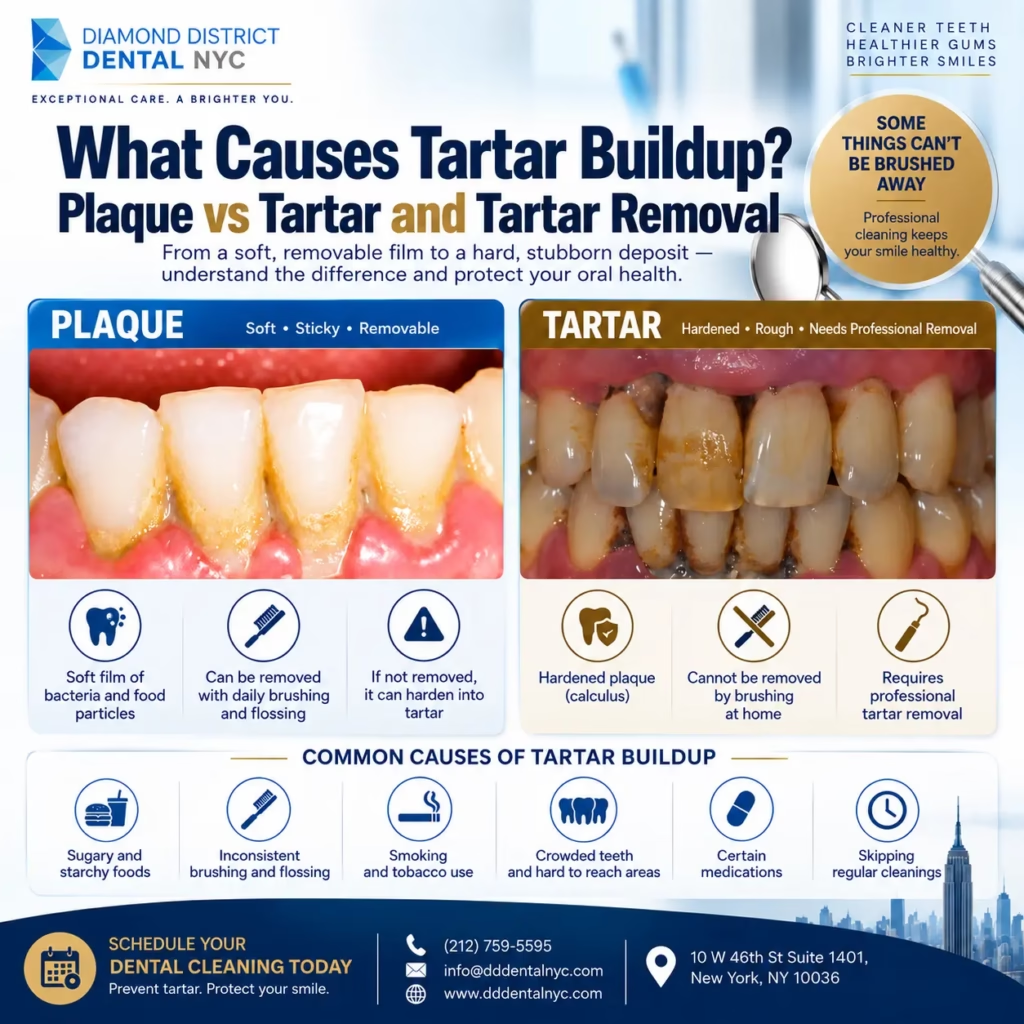
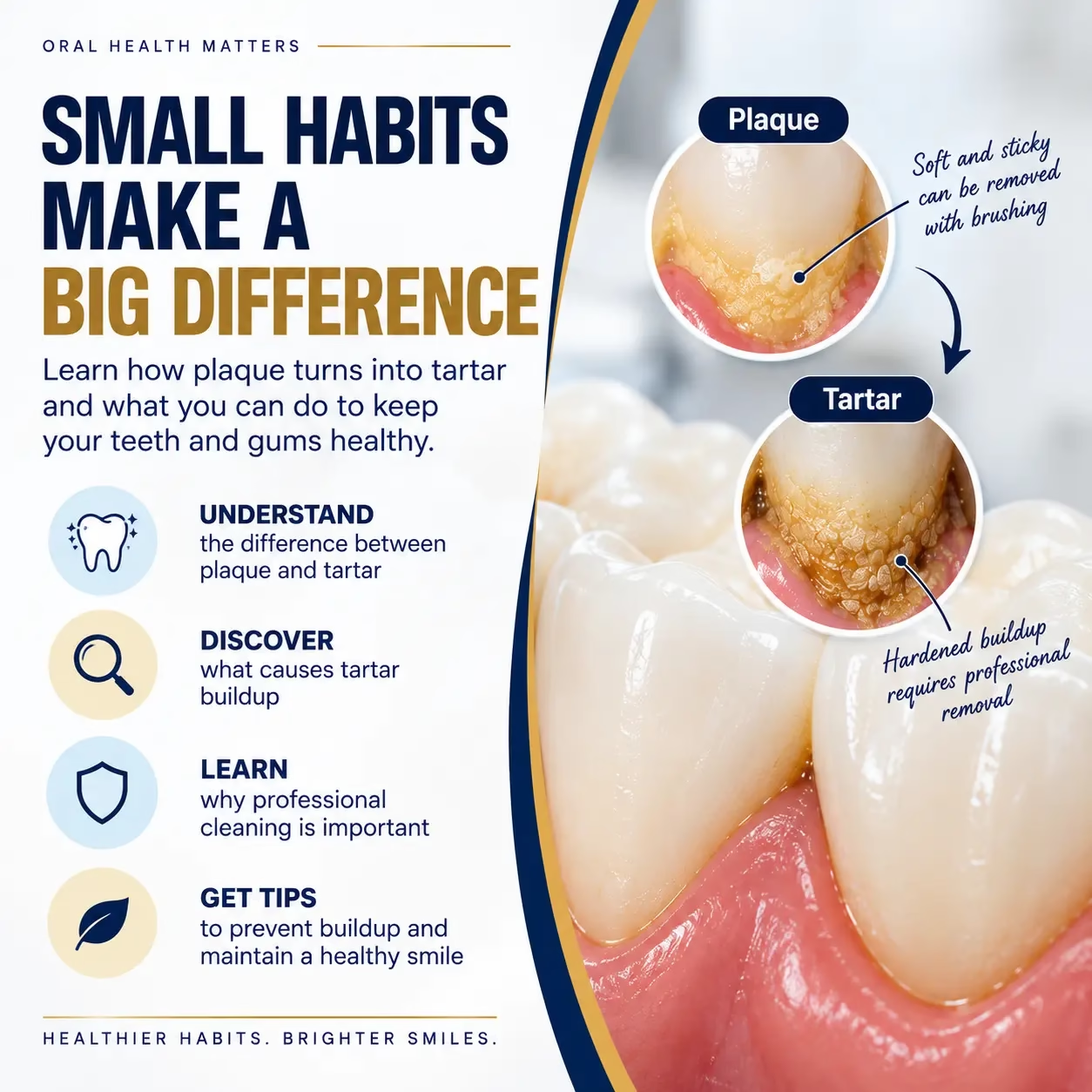
Plaque is a soft, sticky film that forms on teeth throughout the day. It is made up of bacteria, food particles, and saliva proteins. Because it is soft, plaque can usually be removed with regular brushing and flossing.
Here is the part many people miss: plaque starts forming soon after you eat. If it is left in place, the bacteria in plaque produce acids that can irritate the gums and contribute to tooth decay.
Common places plaque collects include:
- Along the gumline
- Between teeth
- Around dental work such as crowns, bridges, or orthodontic attachments
- On the back surfaces of lower front teeth
Plaque is common, and that is not automatically a problem. The issue begins when plaque is not removed consistently enough.
What Is Tartar?
Tarter, also called calculus, is hardened plaque. Once plaque mineralizes, it becomes firmly attached to tooth surfaces and sometimes below the gumline.
Unlike plaque, tartar cannot be brushed away at home. That is why professional tartar removal is so important. Dental hygienists and dentists use specialized instruments to remove tartar safely without damaging tooth structure.
Tartar often appears as:
- Yellow, brown, or dark deposits
- Rough buildup near the gums
- Thick accumulation behind lower front teeth
- Hardened edges on the sides of teeth
Some people think tartar is only a cosmetic issue. In reality, it can contribute to gum inflammation, bleeding, bad breath, and eventually periodontal disease if it is not addressed.
Plaque vs Tartar: What Is the Difference?
Some people think tartar is only a cosmetic issue. In reality, it can contribute to gum inflammation, bleeding, bad breath, and eventually periodontal disease if it is not addressed.
Feature | Plaque | Tartar |
Texture | Soft, sticky, film like | Hard, rough, mineralized |
Can you remove it at home? | Yes, with brushing and flossing | No |
How fast does it form? | Continuously | After plaque hardens over time |
Main risk | Cavities and gum irritation | Gum disease, more plaque buildup, inflammation |
Best treatment | Daily oral hygiene | Professional tartar removal |
This is one reason routine dental cleanings matter even if your teeth “feel fine.” Tartar can build up in places that are hard to see and even harder to clean at home.
What Causes Tartar Buildup?
Tartar develops when plaque stays on the teeth long enough to harden. But several factors can increase how quickly this happens.
Inconsistent brushing and flossing
If plaque is not removed at least twice a day, it has more time to harden. Skipping flossing is especially important because plaque between the teeth often goes unnoticed until it becomes a bigger issue.
Diet high in sugar and starch
Frequent snacking on sugary or starchy foods gives oral bacteria more fuel. This does not mean you need a perfect diet, but regular exposure to these foods can make plaque control more difficult.
Dry mouth
Saliva helps wash away food debris and neutralize acids. People with dry mouth, whether from medications, dehydration, or certain medical conditions, may be more prone to tartar buildup.
Tobacco use
Smoking and other tobacco use can increase tartar accumulation and stain existing deposits. Tobacco also raises the risk of gum disease, which is one reason dental evaluations are especially important for smokers.
Crowded teeth or dental appliances
Overlapping teeth, braces, retainers, and some restorations can create areas where plaque collects more easily. Patients with Invisalign attachments, bridges, or crowns may need extra attention during their oral hygiene routine.
Missed dental cleanings
Even strong home care has limits. Regular professional cleanings help remove buildup before it hardens into tartar or starts affecting the gums.
Why Professional Tartar Removal Is Essential?
Once tartar forms, only a dental professional can remove it safely and completely. This is more than a cleaning issue. It is a preventive health issue.
Professional tartar removal helps:
- Reduce gum inflammation
- Lower the risk of gingivitis and periodontal disease
- Improve breath freshness
- Make brushing and flossing more effective
- Help dentists spot early signs of decay or gum problems
- Protect restorations and surrounding teeth
For patients with existing gum sensitivity or bleeding, a dental exam can also determine whether a deeper cleaning is needed. Not every patient needs the same approach, which is why an in person evaluation matters.
What Happens During Professional Tartar Removal?
Most tartar removal is done during a routine dental cleaning. If tartar buildup is heavier or located below the gumline, a deeper cleaning may be recommended.
What to expect
- The hygienist examines the teeth and gums
- Specialized tools remove tartar and plaque from the tooth surfaces
- Teeth are polished to smooth away surface stains and make it harder for plaque to cling
- The dentist evaluates the gums, bite, and any areas of concern
If deeper cleaning is needed, the provider may discuss scaling and root planing, which targets tartar below the gumline. That treatment is generally reserved for patients with signs of periodontal disease or deeper gum pockets.
Cleaning type | Best for | What it addresses | Limitations |
Routine dental cleaning | Patients with healthy gums or mild buildup | Plaque and tartar above the gumline | May not be enough for advanced buildup |
Deep cleaning | Patients with gum disease or deeper pockets | Tartar below the gumline, root surface cleaning | May require more than one visit |
Can You Remove Tartar at Home?
No, not once it has hardened.
There are many home products marketed for tartar control, but they cannot safely replace professional treatment. Some can help reduce future plaque buildup, but they will not remove established tartar.
Be cautious with internet tips suggesting you scrape tartar off yourself. DIY scraping can damage enamel, irritate gums, and create small injuries that raise infection risk.
Home care is still essential, but it works best as prevention, not as a cure for tartar.
How to Prevent Tartar Buildup?
Prevention is where patients have the most control. Small habits, done consistently, make a real difference.
- Brush twice daily with fluoride toothpaste
- Floss once a day, especially before bed
- Use a soft bristled toothbrush
- Replace your toothbrush or electric brush head regularly
- Limit frequent snacking on sugary foods and drinks
- Drink water throughout the day
- Consider an antibacterial mouth rinse if your dentist recommends one
- Keep up with routine dental visits
For patients with crowded teeth or dental appliances, an interdental brush or floss threader may make cleaning easier. Your dental team can recommend the most appropriate tools based on your mouth and treatment history.
Who Is at Higher Risk for Tartar?
Some people form tartar more quickly than others. A higher risk does not mean something is wrong, but it does mean prevention needs extra attention.
People who may be more prone to tartar buildup include:
- Smokers and tobacco users
- Patients with dry mouth
- People with orthodontic appliances
- Patients with a history of gum disease
- Individuals with crowded teeth
- Those who frequently skip flossing
- Patients who go longer than recommended between cleanings
If you are comparing treatment options or dental practices in New York City, it helps to choose a team that focuses on prevention as much as treatment. That can make a meaningful difference over time.
Signs You May Need Professional Tartar Removal
Tartar is not always obvious at first. Many patients first notice symptoms rather than the buildup itself.
Watch for:
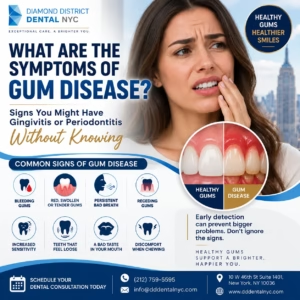
- Bleeding when brushing or flossing
- Gums that look red or swollen
- Persistent bad breath
- Rough or gritty areas on teeth
- Yellow or brown buildup near the gums
- Sensitivity around the gumline
- Receding gums
These symptoms do not always mean you have advanced disease, but they do suggest it is time for a dental evaluation.
Why Tartar Matters for Gum Health
Tartar creates a rough surface that allows more plaque to accumulate. That cycle can irritate the gums over time.
If tartar is not removed, the gums may become inflamed. In the early stage, this may be gingivitis. If the problem progresses, it can lead to periodontal disease, which affects the tissues and bone supporting the teeth.
Not every case progresses that way, and early care can often prevent more serious problems. Still, the longer tartar remains, the harder it becomes to manage at home.
How Often Should You Get a Dental Cleaning?
For many adults, a dental cleaning every six months is a common recommendation. Some patients, especially those with gum disease history, heavy tartar buildup, or certain health conditions, may need visits more often.
Your dentist may recommend a different interval based on:
- Gum health
- Home care habits
- Smoking history
- Orthodontic treatment
- Diabetes or other medical factors
- How quickly tartar tends to form
A personalized schedule is often more effective than a one size fits all approach.
Common Questions About Tartar
Question | Short answer |
Is tartar the same as plaque? | No. The plaque is soft; tartar is hardened plaque. |
Can brushing remove tartar? | No. Once hardened, it needs professional tartar removal. |
Does tartar cause cavities? | It can contribute to decay by trapping plaque and bacteria. |
Can tartar make gums bleed? | Yes, especially when inflammation develops. |
Is tartar a sign of poor hygiene? | Not always, but it usually means plaque has not been removed fully. |
Do cleanings hurt? | Most are comfortable, though sensitivity can vary. |
Why NYC Patients Should Not Put Off Cleanings
In a city like New York, long workdays, commuting, and packed schedules can make routine dental visits easy to delay. But tartar buildup does not wait for a convenient time.
For patients in NYC, staying current with preventive care can help avoid bigger treatment needs later. A simple cleaning often costs less time, money, and stress than treating gum disease or tooth damage that could have been caught earlier.
At Diamond District Dental NYC, preventive dentistry is part of helping patients maintain healthy smiles in the long term, not just treating problems after they appear.
Conclusion
Tartar buildup begins with plaque, but once plaque hardens, it becomes a problem that home care alone cannot solve. That is why professional tartar removal is such an important part of preventive dentistry. It helps protect the gums, reduces inflammation, and gives your dental team a chance to catch problems early.
If you have noticed rough buildup, bleeding gums, or persistent bad breath, it may be time to take a closer look at your oral health. A thorough cleaning and exam can go a long way toward keeping your teeth and gums healthy.
Frequently Asked Questions
Plaque is a soft, sticky layer of bacteria that can usually be removed with daily brushing and flossing, while tartar is hardened plaque that bonds to the teeth. Once tartar forms, it can only be safely removed by a dental professional during a professional cleaning.
Yes. Tartar can build up without causing pain, but it can still irritate your gums, increase the risk of gingivitis, and contribute to periodontal disease. Regular professional cleanings help prevent these problems before symptoms become noticeable.
No. Once plaque hardens into tartar, it cannot be safely removed with home remedies, brushing, or flossing alone. Professional dental cleanings use specialized instruments to remove tartar while protecting your teeth and gums.
Most people benefit from professional dental cleanings every six months, but some patients with gum disease, heavy tartar buildup, or certain medical conditions may need more frequent visits. Your dentist will recommend a schedule based on your individual oral health needs.
No. Tartar does not always mean you have gum disease, but it significantly increases the risk of developing gingivitis and periodontal disease if left untreated. Removing tartar early helps maintain healthier gums and supports long term oral health.
Tartar commonly forms behind the lower front teeth because this area is close to the salivary glands, where minerals in saliva can harden plaque more quickly. Consistent brushing, daily flossing, and regular dental cleanings can help reduce buildup in this common problem area.
Electric toothbrushes can remove plaque more effectively for many people, helping reduce the amount of tartar that forms over time. However, they cannot remove tartar that has already hardened, which is why routine professional cleanings remain essential.
Do not stop flossing, as bleeding gums are often an early sign of plaque buildup or gum inflammation. If the bleeding continues for more than a week or is accompanied by swelling or pain, schedule a dental examination to identify the cause and receive appropriate treatment.
Experience faster, more accurate, and more comfortable dental care with modern digital technology.
If you are due for a cleaning or have concerns about tartar buildup, schedule a visit with Diamond District Dental NYC. Our team provides thoughtful local dental care for patients in New York City and can help you understand the best next step for your smile.