Does your heart race before a dental appointment, even if you know you need the care? You are not alone. Many adults delay treatment because of fear, embarrassment, or past experiences, and that delay can allow small problems to become bigger ones. The good news is that there are practical, effective dental anxiety solutions that can make care feel manageable again.
For some people, anxiety starts in the waiting room. For others, it begins days earlier with worry about pain, sounds, needles, or losing control. The right approach depends on what is driving the fear, and that is why a thoughtful, personalized plan matters. In many cases, patients in NYC are surprised to learn that modern dentistry offers more comfort options than they expected.
This article explains what dental anxiety is, what causes it, and which strategies may help you get the treatment you need with less stress. If you have been postponing a cleaning, exam, filling, crown, or emergency visit, understanding your options is a strong first step.
What dental anxiety feels like?
Dental anxiety is more than simple nervousness. It can show up as a tight chest, nausea, sweating, trouble sleeping before the appointment, or a strong urge to cancel. Some patients can sit through care but feel tense the entire time. Others avoid scheduling altogether.
A common misconception is that dental anxiety only affects children. In reality, many adults live with it for years. Some people fear pain. Others worry about gagging, needles, judgment about the condition of their teeth, or having too little control during treatment.
An important point: anxiety does not mean someone is “difficult” or “overreacting.” It usually reflects a real emotional response that deserves attention and planning.
Why people avoid the dentist?
Fear often has a story behind it.
A patient may have had a painful procedure as a child. Another may remember a rushed experience where no one explained what was happening. Some people have dental anxiety because of sensitive teeth, a strong gag reflex, or difficulty getting numb during earlier treatment. Others simply associate dental care with loss of control and discomfort.
Here are some common triggers:
- Past negative dental experiences
- Fear of injections or drilling
- Sensitivity to pain or pressure
- Embarrassment about oral health
- A history of panic attacks or generalized anxiety
- Sensory discomfort from sounds, smells, or lights
- Fear of the unknown
The more clearly a dentist understands the source of fear, the better the plan can be tailored.
Dental anxiety solutions that can make care easier
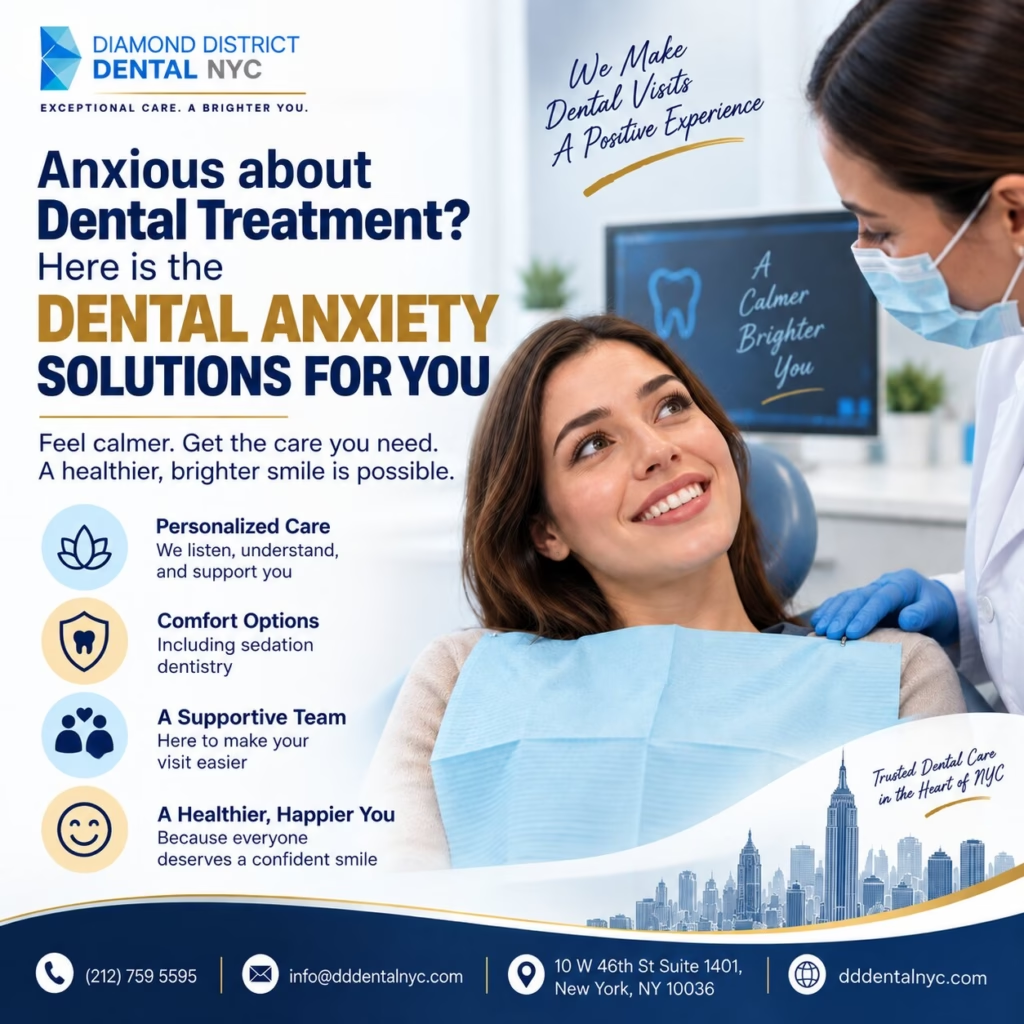
The best dental anxiety solutions are not one size fits all. They usually combine communication, comfort measures, and, when appropriate, sedation options.
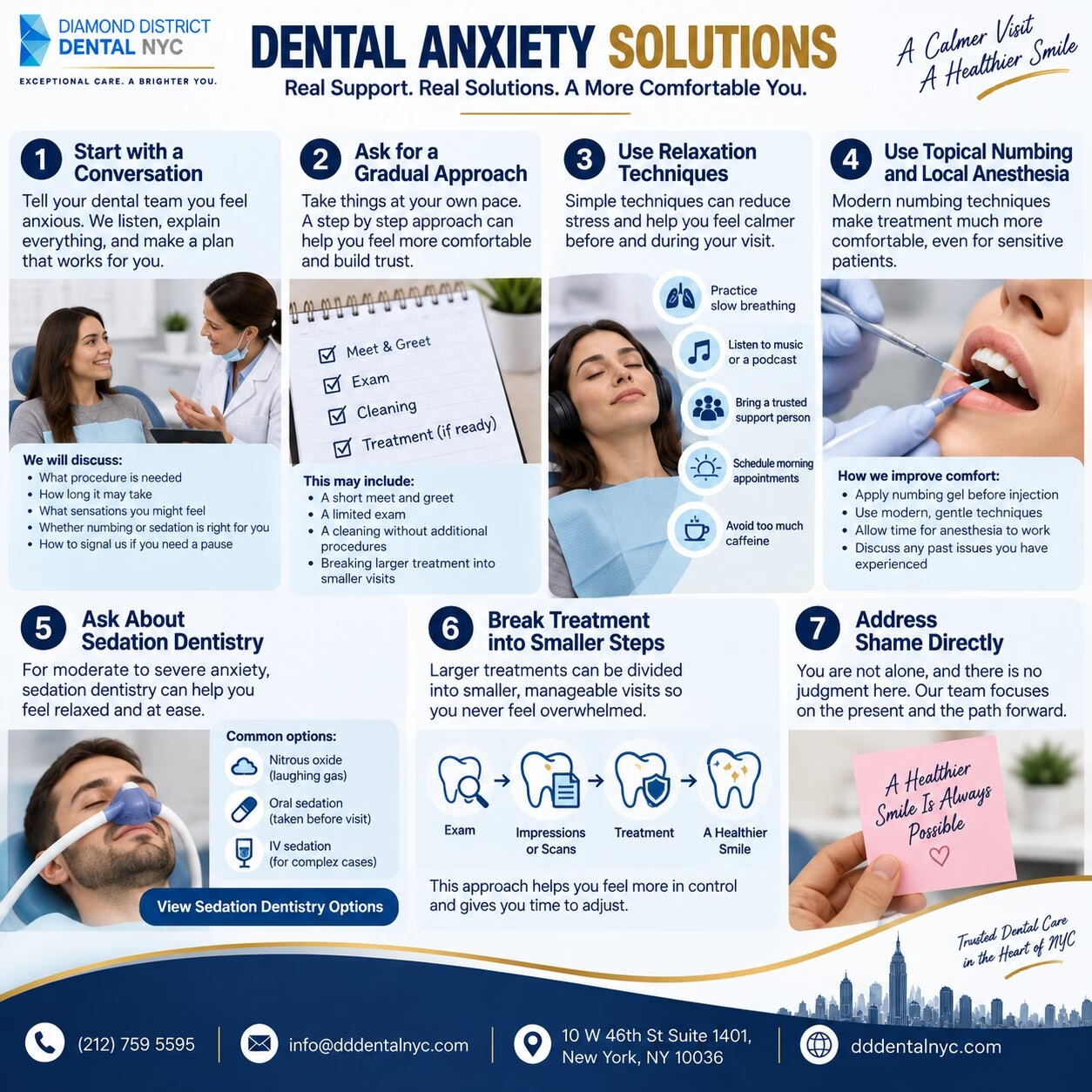
1. Start with a conversation
One of the simplest and most effective steps is to tell the dental team you feel anxious before treatment begins. That gives the office a chance to slow down, explain options, and avoid surprises.
A good consultation should include:
- What procedure is needed
- How long it may take
- What sensations you might feel
- Whether numbing or sedation is appropriate
- How to signal the dentist if you need a pause
Patients often feel more comfortable once they know they will not be rushed.
2. Ask for a gradual approach
Some people do better with a first visit that focuses on evaluation and planning rather than treatment. This can help rebuild trust.
A gradual approach might include:
- A short meet and greet
- A limited exam
- A cleaning without additional procedures
- Breaking larger treatment into smaller visits
This can be especially helpful for patients who have been away from care for a while and need time to regain confidence.
3. Use relaxation techniques before and during the visit
Simple calming strategies can reduce stress enough to make the appointment more manageable. They work best when combined with clear communication from the dental team.
Useful techniques include:
- Slow breathing, such as inhaling for four counts and exhaling for six
- Listening to music or a podcast if allowed
- Bringing a trusted support person
- Scheduling morning appointments to reduce anticipation
- Avoiding too much caffeine before the visit
These techniques do not erase fear, but they can reduce the intensity of it.
4. Consider topical numbing and local anesthesia
Many anxious patients fear (dentophobia) pain more than the procedure itself. Modern local anesthesia is designed to reduce discomfort, and topical numbing can help make injections easier to tolerate.
It is helpful to know that professional dental teams usually use several steps to improve comfort, such as applying numbing gel before an injection and allowing time for anesthesia to take effect. If a patient has not been numb well in the past, that should be discussed before treatment begins.
5. Ask about sedation dentistry
For patients with moderate to severe anxiety, sedation dentistry may be a useful option. The right type depends on the procedure, the level of fear, medical history, and whether someone will need to drive the patient home.
Common options may include:
- Nitrous oxide, also called laughing gas
- Oral sedation, taken before the visit
- IV sedation, used for more complex cases in appropriate settings
Sedation can help a patient feel calmer, but it is not the same as eliminating all awareness. It also requires careful screening and professional monitoring. A dentist should review health conditions, medications, and the planned treatment before recommending it.
6. Break treatment into smaller steps
Some procedures can be staged so the patient never feels overwhelmed. This may be helpful for crowns, bridges, extractions, implant planning, or cosmetic work.
For example, a patient who needs multiple treatments may benefit from separating the exam, impressions or scans, and the procedure itself into different visits. This can help with emotional readiness and reduce fatigue.
7. Address shame directly
Many people delay care because they feel embarrassed about cavities, gum disease, missing teeth, or how long it has been since their last appointment. Shame can be just as powerful as fear.
A respectful dental team should focus on the present and the path forward, not blame. That approach matters because patients who feel judged are less likely to return.
Which dental anxiety solutions may fit different patients?
Not every patient needs sedation. Some only need reassurance and better communication. Others may benefit from a more structured comfort plan.
Patient situation | Helpful approach | Possible limitation | Best next step |
|---|---|---|---|
Mild nervousness before cleanings | Explanation, breathing techniques, shorter visits | May not be enough for severe fear | Start with a consultation |
Fear of needles or pain | Topical numbing, slower pacing, local anesthesia | Anxiety may still remain high | Discuss comfort options in advance |
Avoided dental care for years | Gradual treatment plan, judgment free communication | More extensive care may be needed | Ask for a step by step plan |
Strong gag reflex or trouble relaxing | Positioning changes, breaks, sedation options | Not all procedures can be fully adapted | Review the procedure with the dentist |
Severe anxiety or panic symptoms | Sedation dentistry, comprehensive planning | Requires screening and a ride home in many cases | Schedule a professional evaluation |
What to expect during a dental visit if you are anxious?
Knowing the sequence of a visit can reduce uncertainty.
A typical anxiety sensitive appointment may look like this:
- Check in and briefly review concerns
- Discuss medical history and prior experiences
- Agree on a stop signal or hand signal
- Review the treatment plan before starting
- Use numbing or sedation if appropriate
- Pause as needed during care
- Review home care and next steps
Patients often feel more in control when the visit is structured this way. That sense of control can make a real difference.
A comparison of common comfort options
Comfort option | Best for | Pros | Limitations |
|---|---|---|---|
Communication and coaching | Mild to moderate anxiety | No medication, easy to use | May not be enough alone |
Topical numbing and local anesthesia | Fear of pain or injections | Reduces discomfort during treatment | Does not treat fear by itself |
Nitrous oxide | Mild to moderate anxiety | Works quickly, wears off fast | Not ideal for every case |
Oral sedation | Moderate anxiety | Can create stronger relaxation | May cause drowsiness and require escort |
IV sedation | Moderate to severe anxiety or complex care | Greater level of calm in appropriate cases | Requires screening and monitoring |
Who is a good candidate for sedation dentistry?
Sedation dentistry may be appropriate for patients who:
- Have moderate to severe dental anxiety
- Need longer or more complex treatment
- Have a strong gag reflex
- Struggle to sit still for treatment
- Have had traumatic dental experiences
- Need several procedures completed efficiently
However, sedation is not automatically the best choice for everyone. Medical conditions, medications, pregnancy, and other factors may affect eligibility. A professional evaluation is essential before any sedation plan is recommended.
Limitations and safety considerations
It is important to be realistic. Dental anxiety solutions can help, but they do not guarantee a completely fear free experience. Some patients still feel mild nervousness. Others may need time, repeated visits, or a combination of methods to feel comfortable.
Safety also matters. Sedation is only appropriate when a dentist has reviewed the patient’s health history and can provide the right monitoring and instructions. Patients should always follow pre appointment guidance, such as fasting instructions when given, and arrange transportation if required.
If anxiety is severe or linked to panic disorder, a dentist may also recommend coordination with a physician or mental health professional.
What families and professionals in NYC should know?
For busy adults in New York City, time is often part of the problem. Dental care may get pushed aside because of work schedules, commuting, or family responsibilities. That can make a short visit feel like one more thing to worry about.
Flexible scheduling, efficient treatment planning, and clear communication can help. For families, it is also useful to address dental anxiety early, so children do not grow up thinking fear is the normal way to approach dental care. For professionals with packed calendars, planning a morning or lunch break appointment may reduce buildup anxiety before the visit.
How Diamond District Dental NYC approaches anxious patients?
A patient centered approach can make a meaningful difference. At Diamond District Dental NYC, anxious patients are often helped by a combination of calm communication, clear treatment explanations, and comfort
focused planning. The goal is to help patients feel informed before anything begins.
That may include discussing treatment options, whether a procedure can be staged, and whether sedation dentistry is appropriate for the case. For some patients, the first goal is simply getting back through the door comfortably. From there, treatment can be built step by step.
When to seek care sooner rather than later
Dental fear can cause delays, but some symptoms should not wait. If you have tooth pain, swelling, bleeding gums, a broken tooth, or signs of infection, prompt evaluation is important. Emergency problems tend to become harder to manage if they are ignored.
Anxiety should never be the reason a painful or urgent issue goes untreated. If that is where you are now, the most helpful move is to call and explain what you are feeling so the office can plan accordingly.
Final Thoughts
Dental anxiety is common, understandable, and treatable. The most effective dental anxiety solutions combine compassion, planning, and the right clinical tools for the individual patient. For some people, that means shorter visits and clear explanations. For others, sedation dentistry or staged treatment may be the best way to move forward safely and comfortably.
Frequently Asked Questions
The best dental anxiety solutions combine open communication, relaxation techniques, gentle treatment, effective numbing, and, when appropriate, sedation dentistry. Your dentist can recommend the most suitable approach based on your level of anxiety, medical history, and the type of treatment you need.
For some people, dental anxiety improves after a few positive dental experiences, but it often requires reassurance and a supportive treatment approach. If fear is causing you to delay dental care, speaking openly with your dentist can help you build confidence over time.
Yes. Sedation dentistry is generally safe when provided by trained dental professionals after a thorough review of your medical history, medications, and overall health. Your dentist will recommend the safest sedation option based on your individual needs and the planned procedure.
If you are afraid of needles, let your dental team know before your appointment. Topical numbing gel, gentle injection techniques, clear communication, and sedation options when appropriate can help make treatment much more comfortable.
Absolutely. You can ask your dentist to pause at any time during treatment if you need a moment to relax or regain your comfort. Many dental teams use a simple hand signal so you always feel in control throughout your appointment.
Not usually. Most patients with mild dental anxiety can comfortably complete a routine cleaning with reassurance, gentle care, and local comfort measures. Sedation is generally recommended only for patients with significant anxiety or more complex dental procedures.
Get a good night’s sleep, avoid excessive caffeine, and arrive a little early so you do not feel rushed. Let your dental office know about your anxiety in advance so they can prepare a treatment approach that helps you feel more comfortable..
Many anxiety management techniques, such as clear communication, gradual treatment, and positive reassurance, work well for both children and adults. However, every patient is different, so the approach should always be tailored to their age, comfort level, medical history, and individual needs.
Experience faster, more accurate, and more comfortable dental care with modern digital technology.
If fear has been keeping you from the dentist, Diamond District Dental NYC can help you explore a calmer path forward. Schedule a consultation to discuss your concerns, review comfort options, and create a treatment plan that fits your needs.