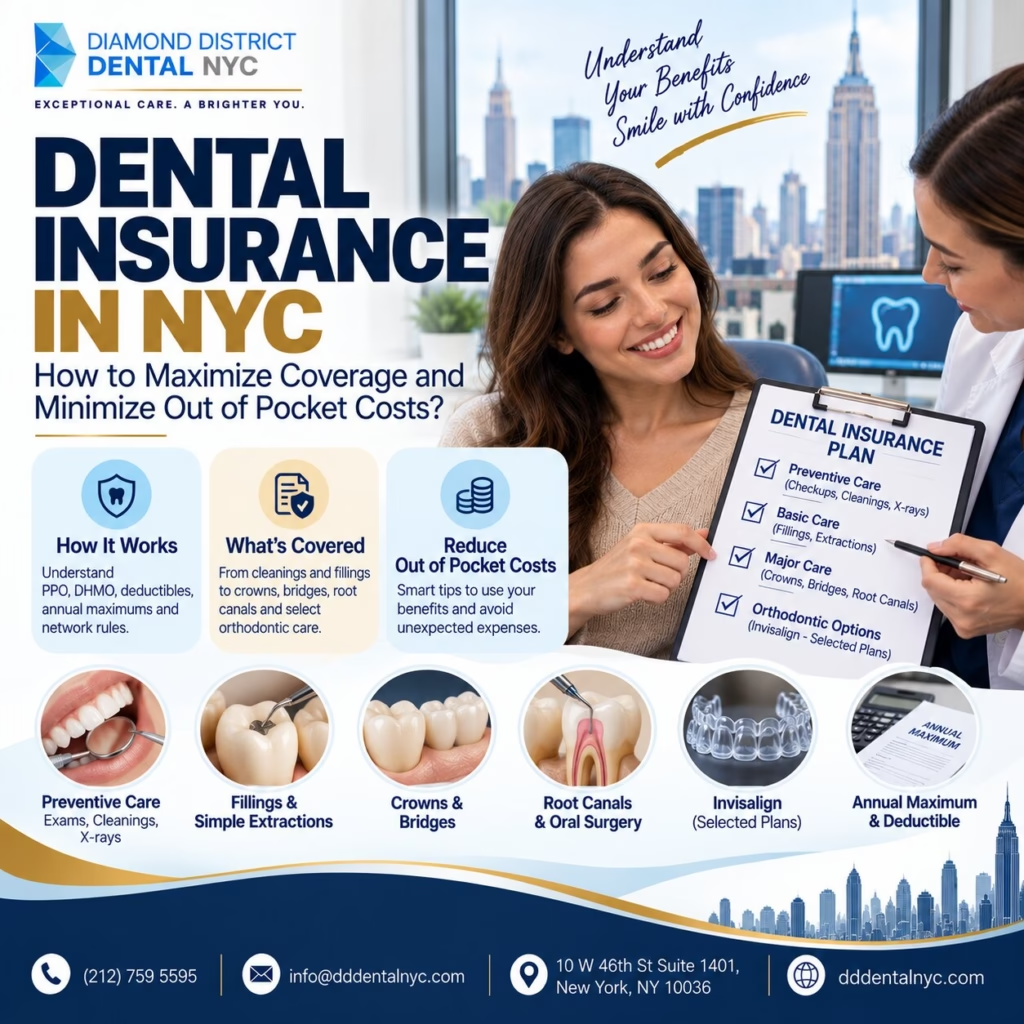
Dental insurance in NYC can feel straightforward on paper and confusing in real life. A plan may promise coverage for checkups, cleanings, fillings, and even part of a crown or root canal, but the details often determine how much you actually pay. For many patients, the difference between a manageable bill and an unexpected expense comes down to understanding deductibles, annual maximums, waiting periods, and network rules before treatment begins.
That matters even more in New York City, where dental care needs vary widely. Some patients only need routine preventive visits, while others are comparing treatment options like Invisalign, crowns, bridges, or dental implants. If you know how to read your benefits and plan ahead, you can often make dental insurance in NYC work harder for you and reduce avoidable out of pocket costs.
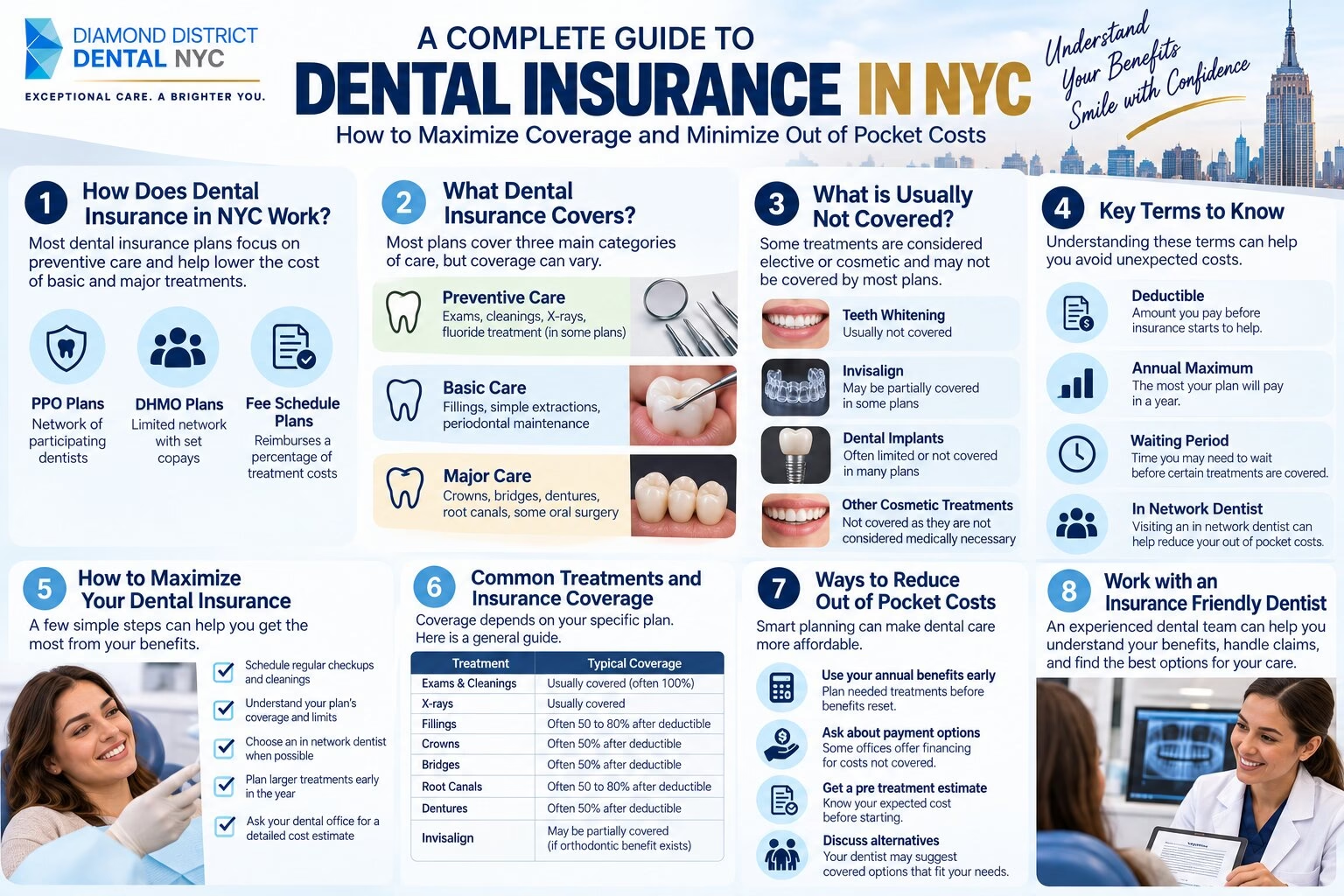
How Does Dental Insurance in NYC Work?
Most dental insurance plans are designed to encourage prevention. That means routine exams and cleanings are often covered more generously than major procedures. The idea is simple: catching small problems early is usually less expensive than treating advanced decay, gum disease, or tooth loss later.
Still, dental plans are not all the same. Some are PPO plans with a network of participating dentists. Others may have a DHMO structure with a more limited provider network and set copays. A few plans reimburse a percentage of treatment costs based on a fee schedule, while others cover services up to a certain dollar limit each year.
For patients in NYC, this can affect both choice and cost. An in network dentist may help lower expenses, but the best option is not always the cheapest one if the office does not offer the treatment approach you need. That is why it helps to review benefits before scheduling anything beyond a basic cleaning.
What Dental Insurance Covers?
Coverage varies by plan, but most dental insurance falls into three broad categories:
Preventive care: exams, cleanings, X-rays, fluoride treatment in some plans- Basic care: fillings, simple extractions, periodontal maintenance in certain cases- Major care: crowns, bridges, dentures, root canals, some oral surgery
Cosmetic treatment is usually handled differently. Teeth whitening and many elective smile enhancement procedures are typically not covered because they are not considered medically necessary. Invisalign may be partially covered under some plans if there is an orthodontic benefit, but many adult plans limit or exclude orthodontic coverage.
Here is where people get caught off guard: even when a treatment is “covered,” it may only be covered at a percentage after the deductible, and only up to the plan’s annual maximum. If your crown costs more than your remaining annual benefits, you may pay the rest yourself.
Key Terms That Affect Out of Pocket Cost
Many patients understand the idea of insurance but not the language. These terms matter.
This is the amount you pay before insurance starts covering certain services. Preventive care is often exempt, but not always.
This is the percentage you pay after the deductible. For example, a plan might cover 80 percent of basic services and 50 percent of major services.
This is the percentage you pay after the deductible. For example, a plan might cover 80 percent of basic services and 50 percent of major services.
Annual maximum
This is the most your plan will pay in a given year. In dentistry, annual maximums are often lower than medical insurance limits, so one larger procedure can use up much of your coverage.
Waiting period
Some plans require you to wait before major or orthodontic treatment is covered.
In network versus out of network
An in network dentist has agreed to contracted fees with the insurer. Out of network care may still be covered, but your share of the bill is often higher.
Common Misconceptions About Dental Insurance
One of the biggest myths is that having insurance means dental care will be cheap. In reality, coverage often reduces some costs, but it rarely eliminates them.
Another misconception is that delaying care saves money. A small cavity treated early may cost far less than a crown or root canal later. The same is true for gum disease. Preventive visits are not just about keeping teeth clean. They help dentists spot issues when treatment is simpler, faster, and usually more affordable.
A third misunderstanding involves “covered” treatment. Patients sometimes assume a procedure is fully paid for because it appears on the benefit summary. In practice, coverage may depend on frequency limits, plan exclusions, missing tooth clauses, or whether the treatment is considered preventive, basic, or major.
How to Maximize Dental Insurance?
Smart planning can make a real difference. If you are trying to get the most from dental insurance in NYC, these steps can help.
1. Use preventive benefits early:
Many plans cover two cleanings and checkups per year, sometimes with little or no cost sharing. Scheduling these visits can help identify problems before they become expensive.
2. Review your annual maximum before treatment:
If you need a crown, bridge, or implant related treatment, ask how much of your yearly benefit is still available. Timing care around your plan year may reduce what you pay.
3. Ask for a pre treatment estimate:
A detailed estimate can help you understand what insurance may cover and what portion you might owe. This is especially useful for larger treatment plans.
4. Confirm network status:
If you prefer an in network dentist, verify that the office participates in your plan. If you are considering out-of-network care, ask how the benefits will be applied.
5. Coordinate multi visit treatment:
Some patients benefit from splitting treatment across plan years if clinically appropriate. That may help use two annual maximums instead of one.
6. Address problems early:
Some patients benefit from splitting treatment across plan years if clinically appropriate. That may help use two annual maximums instead of one.
7. Ask about alternatives:
In some cases, there may be more than one reasonable option. A dentist can explain whether a filling, crown, bridge, or implant related solution best fits your oral health and budget.
How Dentists Help Patients Navigate Insurance?
A good dental office does more than treat teeth. It also helps patients understand the practical side of care.
At Diamond District Dental NYC, patients often ask how to compare treatment options, estimate costs, and make the most of their benefits before starting treatment. That kind of conversation is especially important for procedures like crowns, bridges, Invisalign, and dental implants, where coverage can vary widely.
Insurance verification is helpful, but it is not a guarantee. Final payment depends on the insurer’s processing rules, the details of your plan, and how the claim is ultimately handled. A careful review before treatment can reduce surprises later.
Comparing Common Coverage Scenarios
Service | Often Covered? | Common Patient Cost Factors | Notes |
Usually yes | Deductible may not apply | Often covered at or near 100 percent | |
Usually yes | Frequency limits | Coverage depends on type and timing | |
Usually yes | Deductible, coinsurance | May be considered basic care | |
Often yes | Major treatment share, annual maximum | Coverage varies by tooth and plan | |
Often partial | Coinsurance, annual maximum | Pre treatment estimate is important | |
Often partial | Annual maximum, missing tooth clauses | May require coordination of benefits | |
Sometimes partial or not covered | Major cost share, exclusions | Some plans exclude implants entirely | |
Sometimes partial | Orthodontic benefit limits | Adult coverage varies widely | |
Usually no | Out of pocket | Considered cosmetic | |
Often yes | Plan rules, after hours billing | Coverage depends on service provided |
Cost Factors That Matter Most in NYC
Dental prices can vary in New York City based on the complexity of treatment, diagnostic needs, materials used, and whether the office is in network with your plan. A simple emergency exam and X-ray may be much less expensive than a full restorative plan involving multiple crowns or implant consultation.
Patients should also think about long term value, not just the immediate bill. For example, a well planned bridge or implant related restoration may help restore chewing function and stability, but it should be recommended only after a full exam and discussion of alternatives. The best choice depends on oral health, bone support, adjacent teeth, and personal goals.
How to Lower Dental Costs Without Skipping Care?
Strategy | Why It Helps | Best For |
Schedule preventive visits | Finds problems early | All patients |
Check benefits before treatment | Prevents billing surprises | Anyone planning restorative care |
Use in network benefits | Lowers negotiated fees | PPO members |
Time treatment wisely | May use two benefit years | Larger treatment plans |
Ask about phased treatment | Spreads cost over time | Complex restorative cases |
Compare treatment options | Helps balance cost and clinical needs | Crowns, bridges, implants, Invisalign |
Use FSA or HSA funds if available | Reduces tax burden on eligible expenses | Patients with employer benefits |
Dental Insurance and Major Treatments
Major treatment is where insurance questions become especially important.
Crowns and bridges may be partially covered if they are needed for function or structural repair. However, the amount covered can depend on the plan’s classification of the procedure and the annual maximum available.
Dental implants are a special case. Some plans provide partial coverage for related services such as exams, imaging, or extraction, but many do not cover the implant itself. If implant treatment is being considered, a full consultation is the best way to understand expected costs and whether other options may fit your needs.
Invisalign and other orthodontic treatments vary even more. Some plans offer a lifetime orthodontic benefit with age limits or percentage caps. Others exclude adult orthodontics entirely. Patients who want alignment treatment should verify coverage before beginning.
Seasonal and Year End Planning
The end of the year is one of the busiest times for dental insurance use because patients try to use remaining benefits before they reset. That can be smart, especially if you already know you need treatment. But it also means appointments fill quickly.
If you live in NYC and have been delaying treatment, it can help to plan early rather than wait until December. In some cases, starting treatment before year end and completing the rest in the new benefit year may reduce out of pocket costs, if clinically appropriate and approved by the office.
Conclusion
Dental insurance in NYC can help make routine and restorative care more manageable, but only if you understand how the plan works. Coverage is affected by deductibles, annual maximums, waiting periods, network status, and whether a treatment is preventive, basic, or major. A little planning can go a long way toward lowering out of pocket costs while still getting the care your teeth need.
For patients comparing treatment options or trying to make sense of benefits before starting care, a professional review can be especially helpful. The right dental team can explain what is likely covered, what may not be, and how to approach treatment in a way that supports both oral health and budget.
Frequently Asked Questions
Most dental insurance plans cover preventive services such as routine exams, cleanings, and X rays, often with little or no out of pocket cost. Coverage frequency and benefits vary by plan.
An annual maximum is the highest amount your dental insurance plan will pay for covered services during a benefit year. Once this limit is reached, you are generally responsible for any remaining treatment costs.
Many dental insurance plans provide partial coverage for crowns when they are considered medically necessary. The amount covered depends on your policy, deductible, and remaining annual maximum.
Some dental insurance plans include orthodontic benefits that may help cover Invisalign treatment, but adult orthodontic coverage is often limited or excluded. Check your policy to understand your available benefits.
Dental implant coverage varies by insurance provider and plan. Some policies cover certain parts of implant treatment, while others may exclude implants or provide only limited benefits.
Yes. Most plans allow you to visit an out of network dentist, but your insurance may reimburse less, resulting in higher out of pocket costs compared with in network providers.
Before starting treatment, ask for a pre-treatment estimate, verify your network status, and review your deductible, annual maximum, waiting periods, and coverage limitations to better understand your expected costs.
Even without dental insurance, you may still have access to care through financing options, phased treatment plans, or by prioritizing preventive and urgent dental treatment. Your dentist can help recommend a plan that fits your needs and budget.
Experience faster, more accurate, and more comfortable dental care with modern digital technology.
If you are reviewing your dental insurance in NYC and want help understanding coverage before treatment,
schedule a consultation with Diamond District Dental NYC. Our team can walk you through your options, review your benefits when possible, and help you plan care with clarity and confidence.